Fire damage restoration is a complex and challenging field that requires specialized knowledge and expertise. Recently, I encountered a contractor at a fire-damaged residential property who was struggling to eliminate persistent odors. As we walked through the smoke-stained rooms, it became apparent that the contractor lacked a fundamental understanding of the different types of fire residues and their unique characteristics. This knowledge gap was hindering the restoration process and leaving the homeowner frustrated with lingering smells that seemed impossible to eradicate.
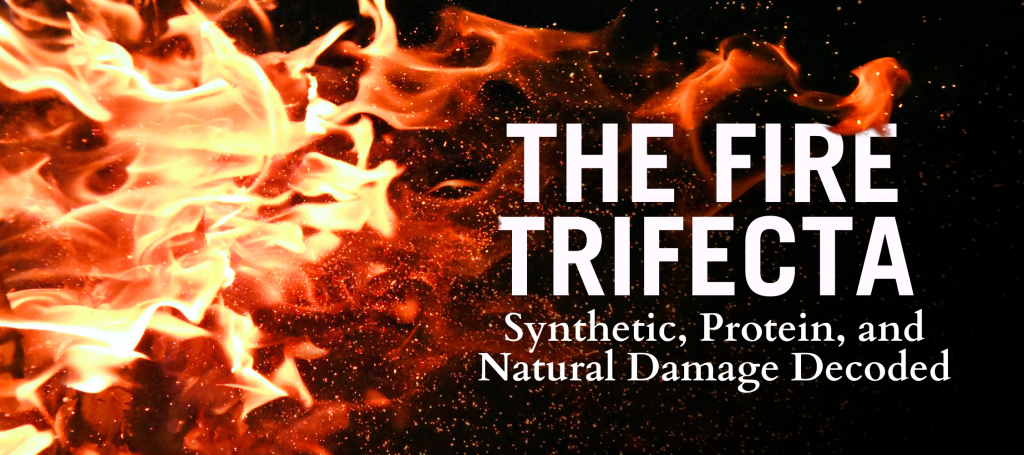
This experience highlighted the critical importance of understanding the three main classifications of fire damage: synthetic, protein, and natural. Each type presents distinct challenges in terms of cleanup and odor removal. Without a proper grasp of these differences, even experienced contractors can find themselves ill-equipped to tackle the full spectrum of fire damage scenarios.
In this article, we’ll explore the importance of identifying fire residue types, the specific challenges posed by each, and how this knowledge impacts the effectiveness of odor elimination strategies in fire damage restoration.
Synthetic Fire Damage
It’s been said that timing is everything in business, Synthetic fire damage occurs when man-made materials such as plastics, fabrics, and other oil-based products burn. This type of fire damage is characterized by:
Thick, black smoke: Synthetic fires produce dense, acrid smoke that can quickly fill a space, making visibility difficult and posing significant respiratory hazards.
Sticky, smeary residue: The residue left behind is often greasy and sticky, adhering tenaciously to surfaces and making cleanup particularly challenging.
Strong, unpleasant odor: The smell of burning chemicals is pervasive and difficult to eliminate, often requiring specialized deodorization techniques.
Cleaning synthetic fire damage requires specialized techniques, that may include HEPA vacuuming, dry-sponge cleaning followed by wet cleaning with appropriate cleaning agents, and the use of odor-counteractants. The sticky nature of the residue means that improper cleaning methods can actually spread the contamination, making the situation worse.
While all fire damage poses health risks, synthetic fire damage presents a particularly insidious challenge. The combustion of modern synthetic materials can produce and release a cocktail of novel chemicals, significantly amplifying potential health hazards. When synthetic materials burn, they often create complex chemical compounds that weren’t present in the original materials. These new substances can be highly toxic, corrosive, or carcinogenic. Unlike natural materials, which generally produce more predictable byproducts when burned, synthetic materials can yield a wide array of unexpected and potentially dangerous chemicals.
Protein Fire Damage
Protein fires typically result from burning organic materials like meats, beans, and other food items. They are common in kitchen fires and present unique challenges:
Yellowish-brown, greasy residue: This residue can be difficult to see but can discolor surfaces over time if not properly cleaned.
Strong, pungent odor: The smell of burnt organic matter is intense and can permeate throughout the property, often seeming to get stronger over time.
Less visible damage: While the residue may not be immediately apparent, the odor is pervasive and persistent, making it one of the most challenging types of fire damage to address.
Protein fire damage requires specific degreasing and odor counteractant chemical agents and techniques to address the greasy residue and persistent odor. The invisible nature of the residue often leads to inadequate cleaning, as areas that appear clean may still harbor odor-causing particles.
The biggest challenge with protein fires is the deceptive nature of the damage. Because the residue may be unseen, inexperienced restorers may underestimate the extent of the contamination, leading to incomplete cleaning and persistent odor problems. To effectively address the hidden dangers of protein fire damage, it’s crucial to engage professional fire restoration services with experience in handling protein fires. These experts can properly assess the full extent of the damage, implement appropriate cleaning and deodorization techniques, and ensure that all affected areas are thoroughly restored to prevent long-term issues.
Natural Fire Damage
Natural fire damage is caused by the burning of wood, paper, and other natural materials. Natural fires, while often perceived as less hazardous than their synthetic counterparts, harbor their own set of hidden dangers that can pose significant risks to both health and property. Understanding these unique challenges is crucial for effective restoration and safety.
Dry, powdery residue: This residue is greyish-black in color and generally easier to clean compared to synthetic or protein residues.
Familiar, campfire-like smell: While the smell is more familiar, it can still be strong and pervasive, particularly if the fire was extensive.
Potential for hidden damage: Natural fires can cause structural damage that may not be immediately apparent, particularly in wooden structures. Natural fires produce fine particulate matter that can remain suspended in the air long after the fire is extinguished. These microscopic particles can penetrate deep into the lungs, causing respiratory issues
Cleaning natural fire damage often involves hepa vacuuming with a bristled brush, followed by dry sponge cleaning. However, the porous nature of many natural materials means that smoke and odor can penetrate deeply, requiring more intensive cleaning and deodorization methods.
One of the main challenges with natural fire damage is the potential for recontamination. If not properly sealed, charred wood can continue to release odors long after the initial cleanup, necessitating ongoing odor control measures.
The Importance of Proper Identification
Accurately identifying the type of fire damage is critical for several reasons:
Tailored Cleaning Approaches: Each type of fire damage requires specific cleaning methods and products. Misidentification can lead to ineffective cleaning or even exacerbate the damage.
Health and Safety: Different types of fire damage pose varying health risks. Synthetic fires, for example, can release hazardous chemicals that require special handling and protective equipment.
Odor Elimination: Each type of fire damage produces distinct odors that require specific deodorization techniques. Proper identification ensures the most effective odor removal strategies are employed.
Structural Assessment: The type of fire can impact the extent of structural damage. Understanding the fire type helps in assessing potential hidden damage to the property’s structure.
Cost-Effective Restoration: Accurate identification allows restoration professionals to develop targeted, efficient restoration plans, potentially reducing costs and restoration time.
Impact on Odor Elimination Strategies
Understanding the type of fire damage is crucial for effective odor elimination. For synthetic fires, chemical deodorizers and mechanical deodorization treatments may be necessary to break down the complex odor molecules. Protein fires often require a blend of powerful odor control counteractants, solvents, and detergent treatments to neutralize the organic odors, while natural fire odors may respond well to physical cleaning followed by thermal fogging or other forms of mechanical deodorization techniques.
Misidentification can lead to the use of ineffective odor control methods, resulting in persistent smells and customer dissatisfaction. For example, using standard deodorizers on a protein fire may mask the odor temporarily but fail to address the underlying cause, leading to the smell returning over time.
Stay Safe
The safety of building occupants and workers is paramount. Restoration teams must:
- Ensure proper sealing and containment of affected areas
- Educate occupants about potential risks and safety measures
- Implement air quality controls and monitoring throughout the restoration process
By taking these extra precautions, restoration professionals can mitigate the unique health risks associated with fire damage, safeguarding both themselves and the occupants of the affected space.
In conclusion, the ability to correctly identify and classify fire damage as synthetic, protein, or natural is paramount to the success of the restoration process. This knowledge enables restoration professionals to implement the most appropriate cleaning techniques, address health and safety concerns, and effectively eliminate odors. By understanding the unique characteristics of each fire damage type, restoration professionals can provide tailored solutions that not only repair visible damage but also address hidden issues, ensuring a thorough and lasting restoration of affected properties.
The contractor I encountered serves as a cautionary tale, highlighting the importance of ongoing education and specialization in the field of fire damage restoration. As the complexity of modern building materials and contents increases, so does the need for restoration professionals to stay informed about the latest techniques and technologies for addressing fire damage. Only through a comprehensive understanding of fire damage types can restorers hope to provide the level of service that fire-affected property owners deserve and expect.
Lorne McIntyre CR WLS FLS CLS ERS CSDS
 Lorne McIntyre is a recognized expert in the cleaning and restoration industry, known for solving complex problems and raising the bar across the field. As Principal Technical Advisor at Verify Appraisal & Consulting, he’s a trusted resource for clarity, credibility, and results.
A Technical Trainer for the Restoration Industry Association (RIA) and an IICRC Approved Instructor with the Restoration Science Academy, Lorne holds all three IICRC Master Certifications and every RIA pillar designation—including the prestigious Certified Restorer (CR).
He also contributes to industry advancement through active roles on several RIA and IICRC committees.
To connect with Lorne, reach out at [email protected]
Related Posts