In order for you to understand the following subject, let me explain what energy does.
Energy is a complex matter that is far too detailed to cover fully in one article. However, understanding the basics of energy is crucial, especially for students taking IICRC courses.
Let’s break it down:
We all know that water (H₂O) exists in three states: solid (ice), liquid (water), and gas (water vapor). Each state contains a certain amount of energy:
- Solid (ice) = Low energy
- Liquid (water) = Moderate energy
- Gas (water vapor H₂O) = High energy
These are simplified values to help you understand. Energy cannot be created, destroyed, or contained; it moves from one state to another.
For H₂O to be in a gaseous state, it requires more energy compared to its solid or liquid states. When energy is added to water, it can change from a liquid to a gas. Conversely, removing energy from water vapor causes it to condense back into water, and further energy removal turns it into ice.
Interestingly, water can evaporate without boiling and a solid state can evaporate without going through a liquid state. When you feel cold, it’s not because “cold energy exists” but because there is less energy around you, causing your body’s energy to escape rapidly.
Think of a cold drink on a hot day. The drink’s surface condenses water droplets because the high-energy water vapor in the air transfers its energy to the cold drink, forming liquid droplets on the outside of the container due to energy loss. This energy transfer process is fascinating and essential to understand in restoration and why your drink got hot. A dehumidifier works similarly: it absorbs water vapor from the air and removes its energy. This process splits the “AIR” into two components: liquid water, which is collected by the dehumidifier, and heat (energy), which is released into the surrounding area. This is why you feel warmth from the dehumidifier as it operates.
Dew Point
Dew point is a vital concept in psychrometry to consider. It’s the temperature at which water vapor begins to condense under specific conditions of temperature and relative humidity. The key here is the material temperature because that’s where condensation could occur, indicating the material may remain wet if the dew point is met. For example, if the dew point is 54 degrees Fahrenheit and the material temperature is 50 degrees, condensation will occur instead of evaporation. This is from the previous example of part 6.
In such cases, simply adding another dehumidifier and increasing the air space temperature may not make beneficial changes. To make a real difference, focus on warming up the affected material and carefully assess all the factors we’ve discussed, including vapor pressure (VP) and dew point. By understanding these concepts, you can better manage the drying process instead of causing condensation elsewhere without knowing or prolonging your drying.
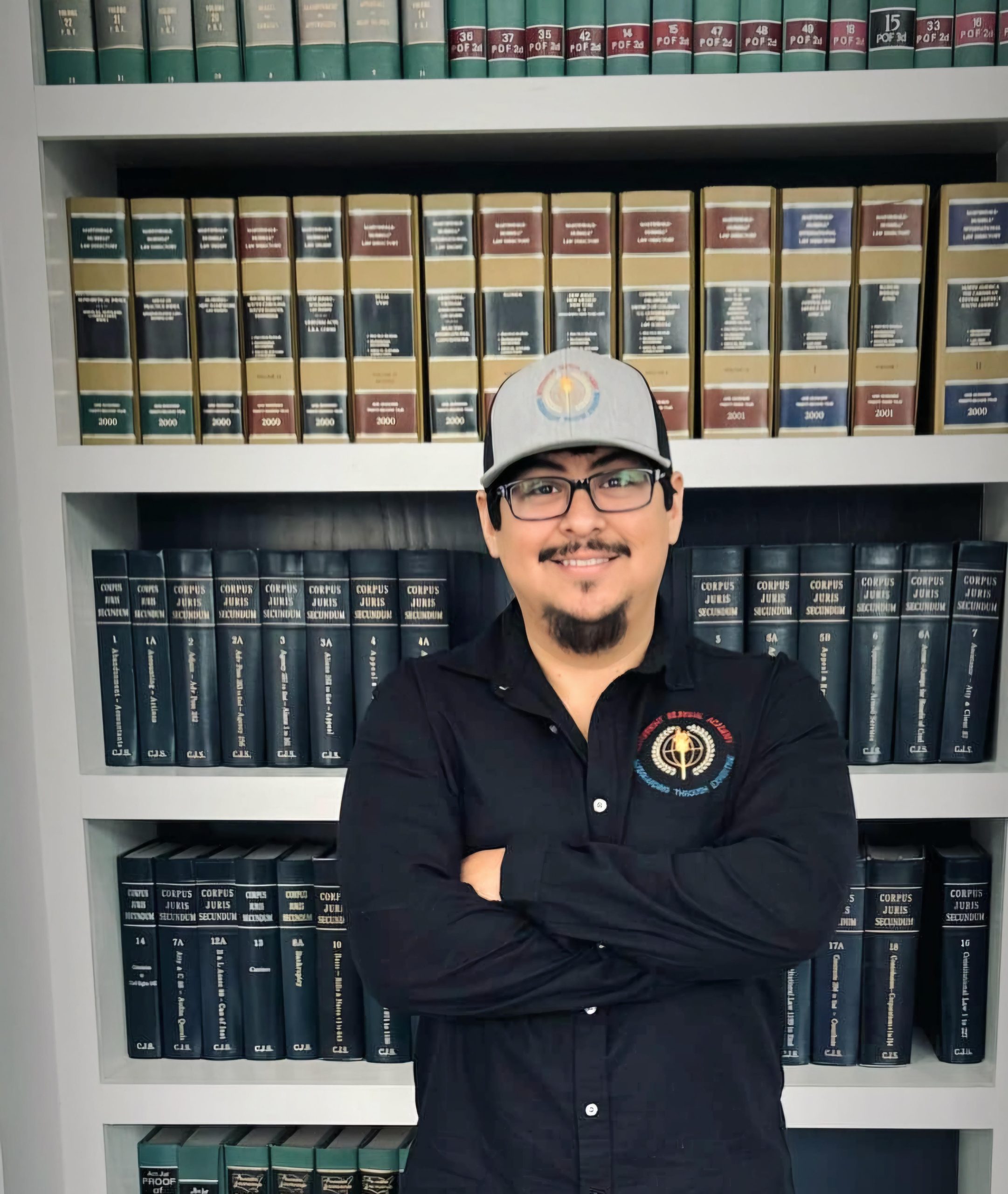
Luis Suarez
Luis Suarez is a seasoned technical educator and consultant with over a decade of experience in the Restoration industry. His journey in this field is marked by a passion for education and a strong commitment to helping others succeed.
As the founder and leader of RestorRight Bilingual Academy, Luis has created a dynamic platform aimed at advancing knowledge and skills within the restoration community. This endeavor was inspired and supported by Recovapro LLC, a prominent water and fire restoration company whose mission aligns with Luis's dedication to education and mentorship.
Luis's primary objective is to guide and mentor aspiring professionals in the restoration industry, helping them navigate the challenges that come their way. His immediate goal is to become an approved IICRC (Institute of Inspection, Cleaning, and Restoration Certification) instructor, enabling him to provide certification courses in both English and Spanish. This reflects his commitment to making high-quality training accessible to a broader, more diverse audience.
Beyond his professional pursuits, Luis is a loving husband and the father of two energetic youngsters who keep him on his toes whenever he's not furthering his own education.
Luis is eagerly anticipating the upcoming opportunity to travel across the United States, sharing his knowledge and expertise with students in both English and Spanish through IICRC certification courses. His journey in the restoration industry is marked by dedication, a passion for education, and a drive to make a positive impact.
Related Posts


2026 Unsung Heroes Award Winners
September 15, 2026