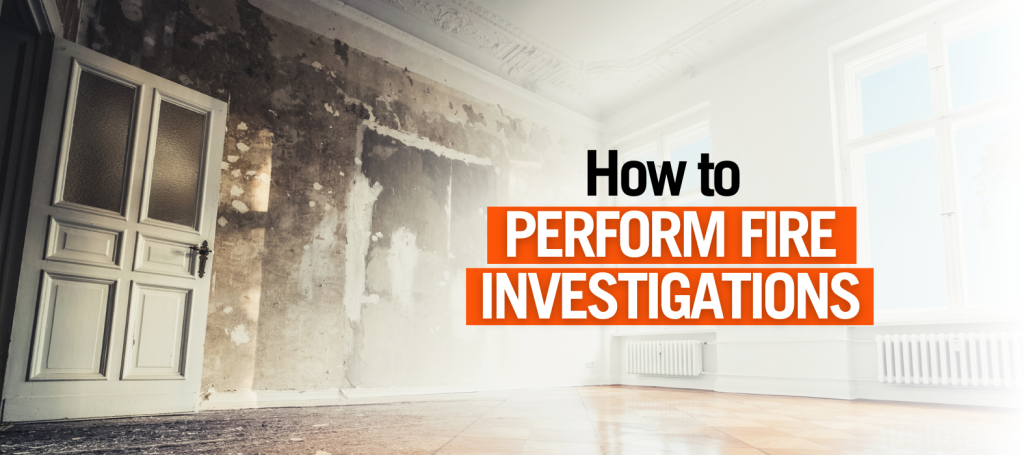
When performing building restoration after a fire, the fire restorers tasked with conducting visual and physical investigations should commence their investigation from the exterior of the structure. This will enable them to identify any structural hazards that may pose a risk to their safety. Additionally, the restorers should give thought to boarding up the building to safeguard the overall structure, surrounding environment, and contents, as well as any possible fire scene evidence.
The investigation of a fire incident should be comprehensive and systematic. It should begin from the exterior and proceed towards the interior of the building to identify the origin of the heat damage, smoke discoloration, fire webs, and the level of fire impact on the building’s materials, assemblies, and contents. The investigation should document all damages for the development of the remediation work plan or protocol.
In some cases, the investigation may require coordination with first responders, law enforcement, third-party fire investigators, and equipment assessors to identify areas that require containment to avoid disturbing areas of question.
Safety Considerations
When dealing with a smoke odor or malodor situation, safety should be the top priority. Workers should follow local and federal regulations and obtain a Safe Access Permit if necessary. Proper signage should be installed before installing AFDs, dehumidifiers, and other equipment, performing ash and soot removal procedures, and potentially extracting water. Safety should be considered when removing materials, assemblies, systems, and contents debris and soot.
Managing exposure to smoke, ash, and debris to the cleaning and restoration team, visitors, and clients, as well as cleaning and drying equipment, is important. Additionally, when establishing AFDs and dehumidifiers, we must consider filter exchange, including primary, secondary, and HEPA filters.
As restoration leaders, the safety, health, and welfare of all involved should be given top priority.
Starting the Investigation
After acquiring all necessary permits and company signage, our investigation will commence at the potential site of fire origin. During this process, we will meticulously document any visual evidence of fire damage, including burnt materials, heat damage, fire residue deposits, fire webs, and damage caused by fire suppression. Before initiating any fire sampling technique, cleaning, or remediation, we require written authorization to work and remove the fire source(s). If we collect any samples from the source or areas of concern, we will place them in individually labeled bags and keep them separate from other samples. These samples will aid in validating the extent of the affected area and creating the Remediation Work Plan (RWP) or Protocol. The individual collecting the samples must understand the significance of separating the samples, and the lab must be informed that they are being used for comparison purposes. This information is not only crucial for the site but also for characterizing fire residues and supporting the safety, health, and welfare of restorers, third parties, and clients or visitors.
As restorers, we need to understand the sampling process as it is being performed so that we can validate our RWP or Protocol. As we progress with our investigation, we will systematically observe and note any damage caused by the fire outward from the fire origin.
During an investigation, it is essential to pay close attention to visual clues such as fire residue deposits on walls and ceilings. These indicators include smoke webs, ghosting, thermal bridging, nail pops, and heat damage. Additionally, the smoke and heat lines surrounding the room and structure can provide valuable insights but do not provide quantitative awareness. By analyzing these indicators, a restorer can establish a preliminary timeline for cleaning and restoration and devise the best strategy for cleaning and restoring the affected area.
When investigating fire damage, it is crucial to analyze the differences between areas that were directly exposed to heat and smoke versus those shielded by items like area rugs or furniture. It’s important to consider that any persons entering the fire scene may unintentionally disrupt the residue deposit patterns, potentially affecting primary, secondary, and pre-existing damages. These factors can impact the structural integrity and contents of the affected environment, raising concerns about their storability in the future.
In conclusion, the investigation establishes what is cleanable and restorable from fire loss. This information can give a timeline that notes:
- debris removal
- drying time (structure environment & contents)
- drying procedures (structure environment & contents)
- assessing and investigating the HVAC unit
- contents pack-up (on-site/off-site)
- cleaning & storage (on-site/off-site)
- cleaning of the structure,
- remediation of the building environment for preparation for reconstruction
- reconstruction
- contents pack-back (on-site/off-site storage).
The fire investigation process is vital in gathering all pertinent information supporting the Remediation Work Plan or Protocol. This plan is responsible for determining the necessary equipment required for the cleaning and remediation process, such as generators, extractors, lighting, down-draft tables, and other tools of the trade. The information gathered is crucial in developing a cleaning work plan, establishing timelines for pack-out and pack-back, and determining the best storage space options (off-site/on-site). Like the restoration assessment, the restorer recognizes that fire investigation is a continuous process that keeps all parties informed about the project’s progress.
Related Posts