Shifting weather patterns and increasingly extreme conditions are fundamentally reshaping the restoration industry, particularly in the area of mold remediation. With rising global temperatures, increased humidity, and prolonged periods of damp conditions, mold is no longer a seasonal issue. Instead, restoration professionals are now facing a year-round challenge, with mold outbreaks driven by record-breaking storms, flooding, and temperature fluctuations.
For restoration contractors, understanding the evolving mold remediation landscape is crucial. This is not only to mitigate damage efficiently but also to safeguard public health and maintain regulatory compliance. As these challenges grow, so does the need for new techniques, technologies, and strategies to help restoration professionals remain effective and profitable in this shifting environment.
The Impact of Changing Weather on Mold Growth
The connection between weather conditions and mold growth is clear: warmer temperatures lead to higher moisture levels, and increased precipitation creates an environment where mold thrives. In the past, mold remediation was often viewed as a seasonal concern, peaking in warm, humid months. However, with extreme weather events occurring more frequently, homes and businesses are now at risk year-round.
Storm surges and hurricanes are dumping unprecedented amounts of water into buildings, and fluctuating temperatures contribute to condensation buildup, creating ideal conditions for mold to develop. Even minor flooding or persistent dampness can trigger widespread mold issues, which restoration professionals must be prepared to handle.
Additionally, climate variability is making it harder to predict mold risks. Sudden temperature shifts, prolonged humidity and unseasonable weather patterns are leading to mold outbreaks in regions that historically experienced minimal issues. Restoration professionals who proactively monitor climate trends will be better equipped to anticipate and respond to these emerging challenges.
Navigating the Changing Regulatory Landscape
As mold remediation becomes a more pressing concern, regulatory agencies are tightening their oversight. Several states, including Texas, New York and Florida, have implemented stricter licensing requirements for mold remediation professionals, while national organizations like the Institute of Inspection, Cleaning and Restoration Certification (IICRC) continue to refine their industry standards.
Restoration professionals must stay informed about evolving regulations to ensure compliance and avoid costly fines. This includes adhering to guidelines regarding personal protective equipment (PPE), proper disposal of contaminated materials, and documentation of remediation efforts.
Additionally, insurance policies are adapting to these changes. Some insurers are revising coverage terms for mold-related claims, placing a greater burden on contractors to provide detailed assessments and evidence of proper remediation techniques. Understanding these policies can help restoration professionals better manage client expectations and protect their own businesses from liability.
It is also critical for restoration companies to train their teams on regulatory updates. The failure to comply with new standards can lead to legal complications and lost business opportunities. Investing in ongoing education ensures that teams are well-prepared to handle the increasing complexities of mold remediation.
Preparing for a Future of Year-Round Mold Challenges
With mold remediation no longer limited to specific seasons, restoration businesses must adapt by refining their processes and expanding their service capabilities. Investing in continued education, embracing new remediation technologies and staying ahead of regulatory shifts will be essential for long-term success.
Moreover, customer education is becoming a key component of mold prevention. Restoration professionals who take the time to inform property owners about proper ventilation, dehumidification, and water damage prevention will provide better service while building trust and credibility in an increasingly competitive industry.
Another key consideration is workforce preparedness. As mold remediation becomes a year-round challenge, restoration businesses should assess whether their teams have the staffing and resources necessary to handle increased demand. Implementing efficient scheduling, cross-training employees, and investing in scalable equipment will help businesses avoid operational bottlenecks.
As the impact of climate change continues to unfold, restoration contractors who proactively address mold remediation challenges will be in the best position to thrive. By embracing innovation and staying ahead of industry trends, professionals can ensure they are well-equipped to handle the growing demand for mold remediation services.
Bob Moore
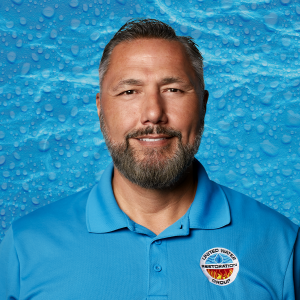 Bob Moore, President of United Water Restoration Group (UWRG), brings over 30 years of franchise experience to his leadership role. His career began at Domino’s Pizza, where he spent six years in various roles and an additional seven years as a multi-unit Franchise Owner. Moore's extensive background also includes serving as a Regional Director for ServiceMaster Clean, followed by a decade-long tenure at Dunkin' Brands as Senior Manager of Field Training.
Related Posts