The insurance experience has a reputation for being a confusing, frustrating process that homeowners must endure to protect their assets. Yet, recent data from DocuSketch, focused on US-consumers aged 25 and older, shows 74% say they feel confident in their understanding – though that confidence may be rooted more in assumption than actual clarity.
Additionally, DocuSketch’s data shows that 23% of homeowners admit to feeling confused by policy language. Misconceptions around vague or misunderstood policy terms can slow down the claims cycle, creating further frustrations and misunderstanding between policyholders and carriers, especially as extreme weather-related claims increase.
Rebuilding trust requires that insurance professionals understand where misconceptions stem from, how a lack of policy literacy creates unintended consequences, and what strategies are needed to improve education and communication. Only when these areas are addressed can insurance professionals and policyholders form a true partnership to enhance the claims experience.
Hidden Gaps in Insurance Literacy
Policyholders feel confident in their general understanding of what their policy covers, yet 26% don’t know what to ask when shopping for a policy. While consumers may feel they have a strong grasp on terms like “deductibles” or “replacement cost,” perceived understanding does not equate to actual understanding. And unfortunately, the data implies policyholders may be underinformed, creating a lack of clarity when extreme weather-related damages and costs arise.
As younger consumers become homeowners, their inexperience when navigating insurance presents new risks. Driven by economic pressure and limited insurance literacy, data shows that 65% of Gen Z policyholders are considering downgrading or reducing coverage to save money. This signals a misunderstanding of what insurance policies actually do, despite perceived consumer confidence. While policyholders may think reducing coverage results in short-term savings, they are only creating high risk for long-term costs when a storm hits.
Gaps in policy literacy are likely leading to a trust gap as well, fueled by poor communication and unclear claims processes. Closing the gap requires a strong grasp of where misunderstandings and perceived confidence-issues stem from, resulting in communication strategies that address underlying concerns.
Unintended Consequences from Gaps in Policy Literacy
False confidence and consumer misunderstanding in policy language can lead to unexpected consequences, such as increased costs, delayed repair timelines, and erosion of confidence in the policyholder-insurer relationship. This is especially true for underinsured or uninsured homeowners when extreme weather-related costs arise. They may be denied a claim or only receive partial payouts, leaving them financially exposed and frustrated during an already stressful time.
Additionally, a lack of coverage creates confusion for policyholders about next steps in the process and potential coverage limits, causing claims to stall. Without knowledge of the right documentation required based on coverage levels, policyholder’s often delay their own recovery by requiring additional back-and-forth and clarification over policy that could have been handled upfront.
There isn’t enough education provided to consumers around policy and process, further eroding their trust in insurers. This uncertainty on the consumer side only widens the trust gap, making it easy for doubt to creep in. To remedy skepticism and anticipate areas of confusion, insurance professionals must take on proactive education strategies and invest in strong documentation technology.
Restoring Confidence Starts with Education, Communication and Technology
Building strong relationships with consumers requires a multi-pronged approach to establish trust and improve perceptions of transparency in the industry. Insurance professionals must lean into proactive education, working with customers to improve their understanding of policy and aspects of the insurance lifecycle. For example, identifying the right coverage and knowing what questions to ask. By breaking down educational barriers and simplifying complex terms, insurance professionals can help customers feel more informed and confident.
Education is the start, but don’t let it stand on its own. Real-time transparency throughout the claims process requires both improved communication and modern documentation tools, to improve operational efficiency and communication. For example, 360 documentation technology provides all parties with a single source of truth through photos, videos, timestamps, and AI-powered sketching, allowing policyholders and insurers to review the same information in real time, reducing friction and mistrust.
By providing policyholders with real time information on the claims process, insurance professionals can infuse trust and transparency back into the claims journey, accelerating the process to ultimately benefit the policyholder. Helping customers overcome confusion and speak the language of their policy is no longer optional for insurance professionals, it’s a necessity to earn trust and rebuild customer relationships.
Leading with Clarity
The current lack of strong-policy comprehension and slow-claims cycles needs to be addressed head on. For the insurance industry, rebuilding trust and forming strong relationships is a competitive advantage that business’s can’t afford to ignore.
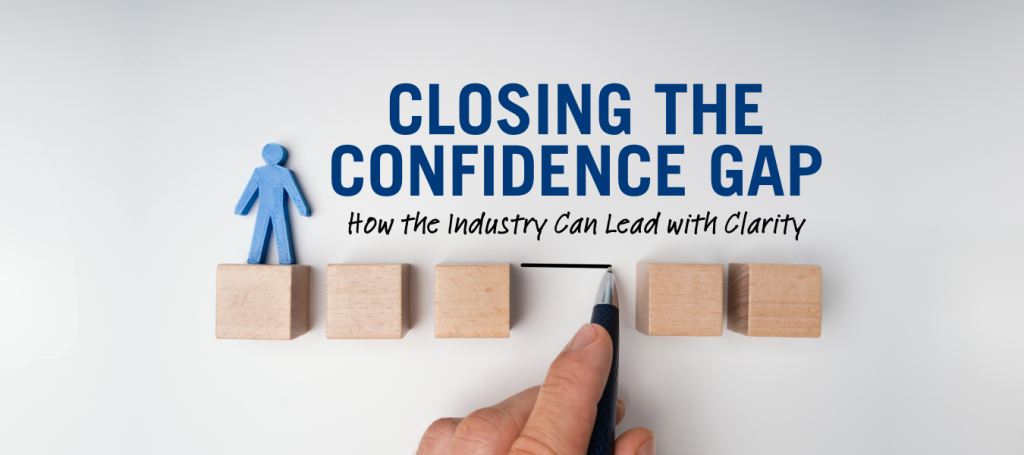
It’s time for the industry to close the gap between confidence and comprehension. Trust isn’t built from the policy’s fine print. It’s built in the moments that matter most and is powered by clear expectations, consistent communication, and collaborative partnerships.
Related Posts