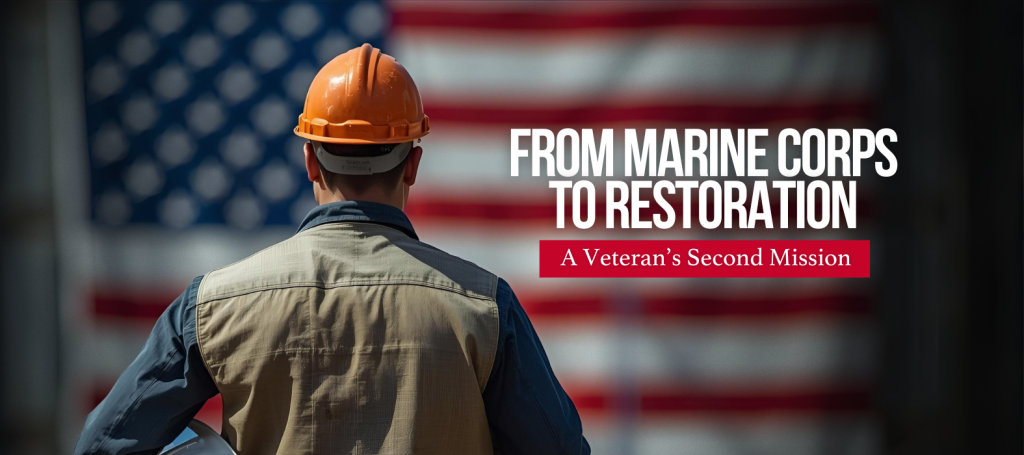
In August of 2012, I stepped off the bus at Marine Corps Recruit Depot Parris Island, South Carolina. If you’ve ever been there, you know the feeling—it’s about 98 degrees, 100% humidity, and the sand fleas welcome you like long-lost family. I was 18 years old, scared, determined, and about to learn the kind of discipline and teamwork that would later shape my entire life and career—though I didn’t know it at the time. Like most kids, I had a few heroes I looked up to — people who showed me what courage, bravery, and sacrifice really looked like. One of them was my Uncle Mark, a Navy Corpsman everyone called “Doc.” He served with 1st Battalion, 5th Marines, and was wounded in Iraq during the brutal months of fighting in Fallujah. Hearing his stories and seeing the pride he carried made a deep impression on me. Following in his footsteps — and in the footsteps of so many others in my family who wore the uniform — wasn’t just a choice, it felt like a calling.
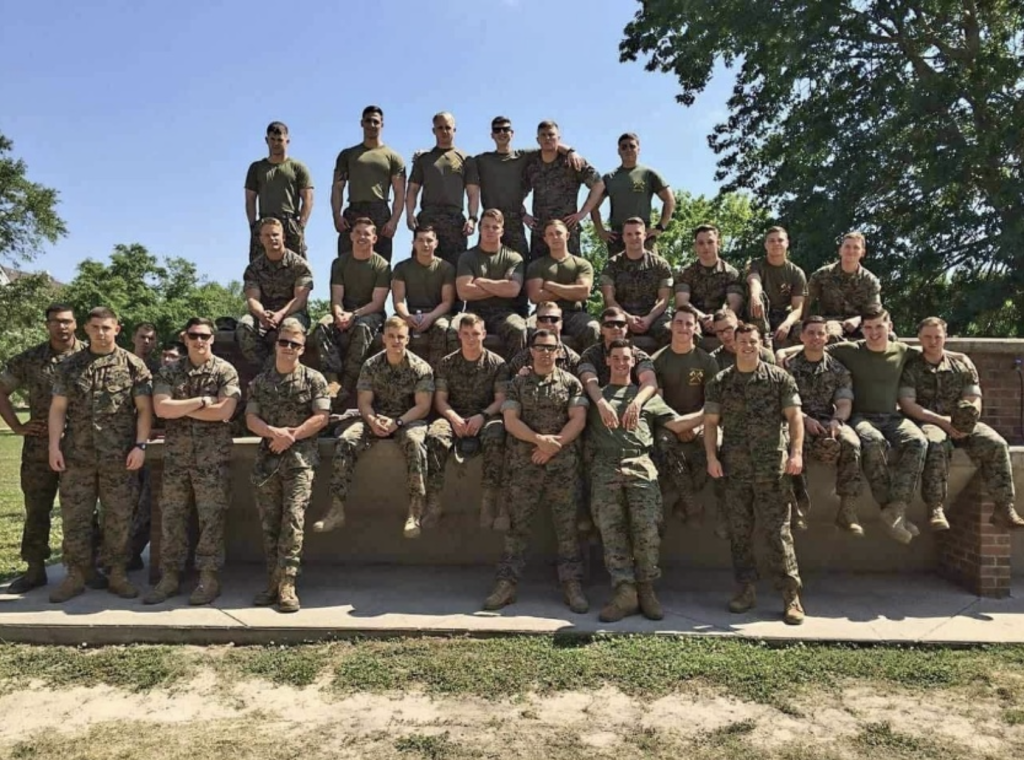
Fox Company, Weapons Platoon (2nd Battalion 6th Marines). CIRCA 2016
I joined the United States Marine Corps with a simple goal: serve my country and challenge myself in ways few people ever experience. Over the next eight years, I got exactly that. I served with 2nd Battalion, 6th Marines—Fox Company—as an 0341 Mortarman. The Marine Corps infantry is a tight-knit group of Marines from all different walks of life who can turn chaos into order with little more than duct tape, caffeine, and sheer determination. We were basically professional problem-solvers who carried too much gear and still argued about who was tougher — mortarmen, machine gunners, or riflemen.
Those years took me far from home and into ten different countries through two deployments overseas. But what truly defined those experiences wasn’t just the places we went—it was the brotherhood that carried us through the toughest moments. In infantry, you learn quickly that you can’t succeed alone. You rely on your teammates completely and you trust the chain of command, because every decision has weight, and every action matters. From long days in harsh environments to unpredictable situations, that sense of camaraderie became the backbone of everything we did. It taught me lessons about leadership, loyalty, and perseverance, that I carry with me to this day—lessons that would later guide me in the restoration industry.
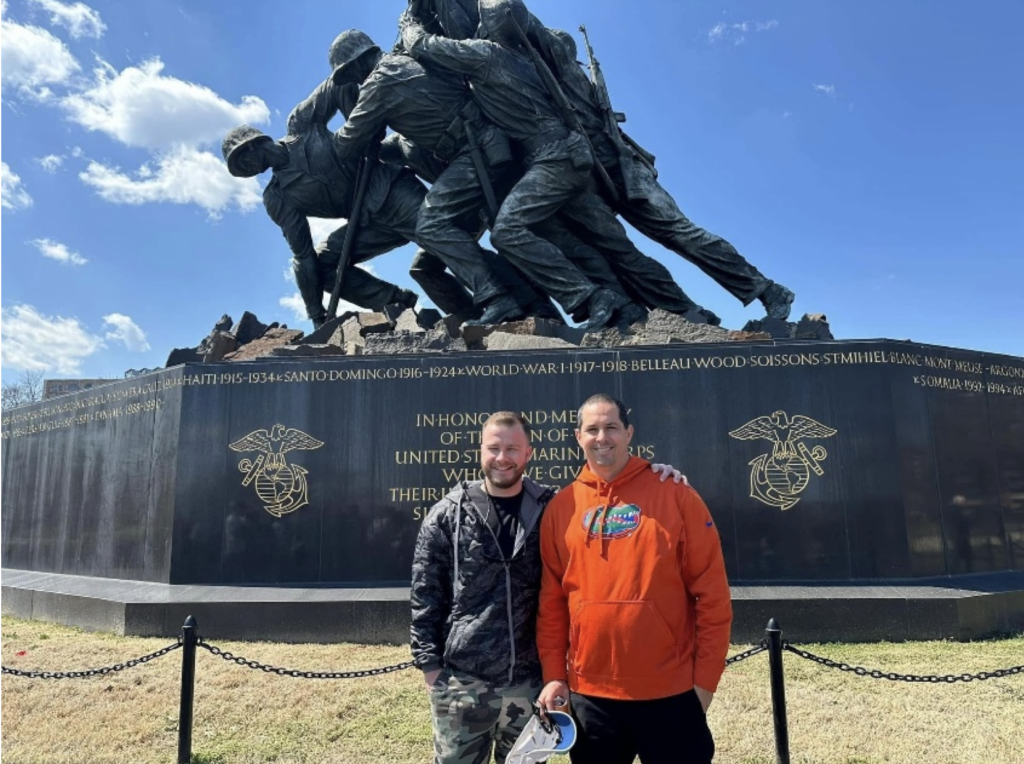
Pictured here is Major Mike Borneo (Retired). He was one of the best leaders I served under. Mike has been a big mentor to me outside of the Marine Corps.
As my Marine Corps career progressed, I eventually found myself back at Parris Island, this time on the other side of the training cycle. I was assigned to the Weapons and Field Training Battalion and later to the base Operations (G-3). I went from being the recruit with the thousand-yard stare to helping train and support the next generation of Marines. It was full circle—proof that with enough effort, sweat, and sand in your boots, you can grow into the kind of leader you once looked up to. The G-3 leadership team of (Retired) Colonel Cesar Rodriguez, (Retired) Major Mike Borneo, and (Retired) MGySgt Mike Hayes, built a strong and resilient team during some of the toughest times at Parris Island. Together, they brought over 60 years of combined operational experience, grounded in hard work, discipline, and clear communication. Their guidance taught us how to succeed no matter what challenges were thrown our way and showed us the true power of teamwork and leadership.
The Transition
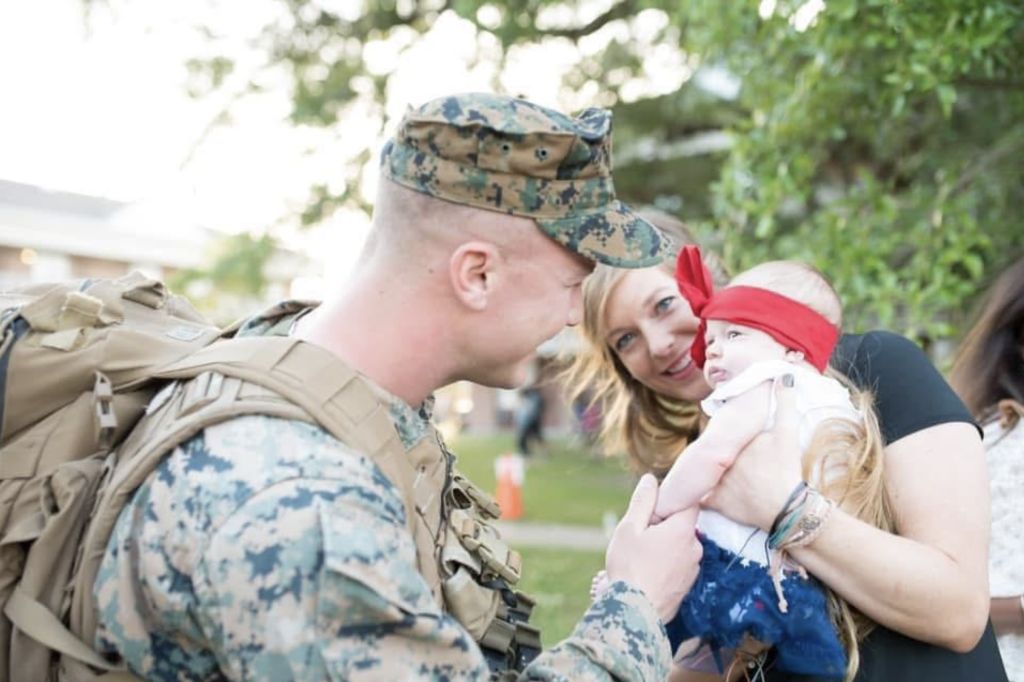
Meeting my daughter for the first time after coming home from deployment.
When my contract ended in May of 2020, I did what every transitioning service member does: I opened a job search website and typed “leadership.” It was an odd feeling, going from eight years of the most structured environment on earth to a blank search bar asking, “What are you looking for?” After applying to more than 50 jobs across the Greater Cincinnati area with no replies and no callbacks, things started to get stressful. I was 26 years old with a young family to take care of, wondering what my next chapter was going to look like.
That’s when I came across a posting from Teasdale Fenton Cleaning and Restoration, for a Director of Emergency Services. I didn’t know much about the restoration industry then—but the word emergency caught my attention. Marines know emergencies. We live in them, breathe in them, and occasionally eat MREs during them.
I applied, and not long after, I found myself interviewing with Jim Olmstead, the owner of Teasdale Fenton. Still on active duty, I interviewed virtually — one foot in the Marine Corps, and one stepping toward civilian life. I remember jumping on that zoom call in my best “civilian” outfit—no uniform, no rank, no insignia—just me trying to explain how mortar systems, deployments, and military leadership could somehow tie into water mitigation and fire cleanup.
I knew I had to make the most of the opportunity during that interview. It was the height of COVID, few places were hiring, and in the back of my mind was one clear thought — I had a family to take care of. When the call ended and Jim offered me the position, a huge weight lifted off my shoulders. It was a proud moment — my first real step into the civilian world. There was just one catch—I still had a few months left on my Marine Corps contract. Most companies might have moved on and filled the position, but Jim waited. For over three months, he held the spot, believing that what I could bring to the table would be worth the wait. That decision changed my life.
A New Kind of Mission
Starting at Teasdale Fenton felt strangely familiar. The restoration industry might not have drill instructors or mortar ranges, but it does have chaos, tight timelines, long days, and the need for strong teamwork—so it wasn’t that different after all. I was now helping repair people’s homes and lives after disaster.
My Marine Corps instincts kicked in immediately: assess the situation, make a plan, execute it. Restoration work demands leadership, communication, and adaptability—all things the military instills in you whether you like it or not. And just like in the Corps, in this business, no one succeeds alone.
Over time, my career grew, and today I serve as the Reconstruction Division Manager. I oversee our project managers, estimators, board-up and dumpster divisions. Each of these groups plays a critical role in helping families and businesses recover from loss. My job is to make sure they have what they need, when they need it, and that we’re all moving in the same direction.
One of the biggest lessons I carried from the Marines is that leadership isn’t about barking orders or having 20 plus years of construction experience—it’s about building trust, accountability, and shared purpose. The best teams, whether on the battlefield or a restoration jobsite, operate like a well-trained fire team. Everyone knows their role, communicates clearly, and covers each other when things go sideways.
Building a Team that Wins the Day
I’ve always had the belief that small wins each day carry momentum that is tough to stop. In the restoration world, no two days are ever the same. Some mornings you’re inspecting a smoke-damaged home, and by the afternoon you’re juggling three emergency board-ups, coordinating subcontractors, and trying to track down receipts. It’s organized chaos—but that’s exactly what I love about it.
Our success at Teasdale Fenton comes down to people. You can have the best equipment, the cleanest trucks, and the most detailed estimates—but without the right team, it all falls apart. I’m fortunate to work alongside men and women who bring grit, professionalism, and heart, to every project. They care deeply about the work we do and the customers we serve.
I often remind our team that we’re not just restoring buildings—we’re restoring normalcy. When a family’s kitchen floods or a business suffers a fire, they’re looking to us to bring calm from chaos. That’s a big responsibility, and it takes a solid crew to pull it off.
Communication is everything. In the Marines, a breakdown in communication could cost lives. In restoration, it can cost time, money, and trust. That’s why we emphasize clear updates, accountability, and making sure every division—reconstruction, mitigation, board-up, and dumpsters—works together seamlessly. When everyone’s in sync, we win the day.
A Heartfelt Thank You
Looking back, it’s incredible to see how two seemingly different worlds—the Marine Corps and restoration—share so many of the same values: discipline, teamwork, leadership, and mission focus. Every lesson I learned in uniform helps me today, from keeping calm under pressure to understanding the power of a unified team.
But none of this would have been possible without the people who believed in me.
To Jim, Leah, and Hunter Olmstead, thank you for taking a chance on a guy fresh out of the Marine Corps. You saw something in me that I didn’t yet see in myself, and that belief has carried me to where I am today.
To Adem Brooks, Rick Ohl, and Russell Frederick thank you for your mentorship and steady leadership in the Restoration Industry. Your guidance helped me navigate this industry and grow into the role I have today.
And to all the military leaders and other mentors I served under—thank you for pushing me beyond my limits and showing me what true leadership looks like. The lessons I learned from you are alive every day in how I lead my team now.
Finally, to my family, thank you for understanding the long days, the early mornings, and the grumpy hours that came with waking up at 3 a.m. Your patience, support, and countless sacrifices have carried me to where I am today, and I am grateful every single day to have you by my side.
The Second Mission
My time in the Marine Corps will always be one of the proudest chapters of my life. But this next mission—helping people rebuild, leading strong teams, and creating opportunities for others—is equally meaningful.
Restoration work is more than just construction and cleanup. It’s about service, trust, and resilience—the same principles that define every veteran I’ve ever known. I might have traded my uniform for a hard hat and clipboard, but the mission remains the same: take care of people, lead from the front, and never stop striving to be better than yesterday.
Restoration companies should look to hire veterans because they bring a unique combination of discipline, leadership, and adaptability to the table. Veterans are trained to operate under pressure, solve problems quickly, and work seamlessly as part of a team—all skills that directly translate to managing emergency restoration projects. Their commitment to mission-focused work, attention to detail, and ability to stay calm in stressful situations, make them invaluable in an industry where timing, precision, and reliability are everything.
And if there’s one thing the Marines and restoration have both taught me, it’s this—no matter how big the mess, there’s always a way to rebuild, and the situation presented is always temporary.
Happy Veterans Day to the brave men and women who have served our great nation. God Bless and Semper Fidelis.
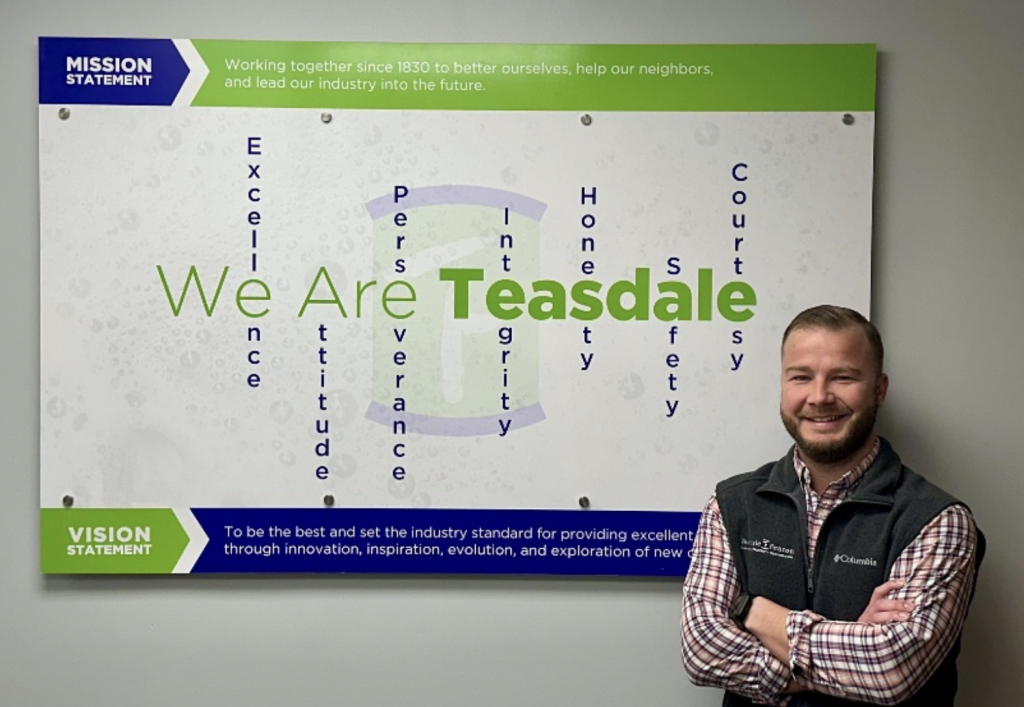
Proud and grateful to serve our community and the amazing people who represent Teasdale Fenton every day.
Related Posts