1.What is the biggest opportunity for restorers today?
The biggest opportunity right now is separating the professionals from the contractors.
This industry is getting tougher. There are fewer jobs in some markets, more oversight from carriers and TPAs, and customers who expect faster response and better communication than ever. The opportunity is for restorers who are willing to invest in people, process, technology and discipline and actually run their business like a business.
The companies that win will be the ones that can handle complexity — large losses, multiple trades, demanding stakeholders — while still showing empathy to customers who are having one of the worst days of their lives. That combination is hard to copy, and that’s where the real opportunity is.
2.How has the restoration industry evolved during the past decade?
It’s changed a lot — and still changing fast.
Years ago, relationships alone could carry you. Today, relationships still matter, but they’re not enough. The industry is far more data-driven, compliance-driven, and process-driven than it used to be. Technology, documentation, cycle time, and KPIs now play a major role in whether you win or lose work.
At the same time, customer expectations have exploded. We’re operating in an on-demand world. If you’re slow to respond or unclear in your communication, someone else will get the call.
The biggest shift, though, is that restoration has become a leadership business. The companies that scale are the ones that build leaders at every level.
3.What is your advice for the next generation of restoration professionals stepping into leadership roles and navigating a changing landscape?
First — learn the work. Spend time in the field. Understand what technicians, PMs, and coordinators deal with every day. Credibility matters, and you can’t fake it.
Second — don’t confuse position with leadership. Leadership is about developing people, setting clear expectations, and holding yourself accountable before holding others accountable.
Third — build systems. You can’t scale on heroics. Processes don’t replace people, but they allow good people to win consistently.
And finally, stay curious. This industry will keep changing. The leaders who keep learning and adapting will always stay relevant.
4.What professional achievement are you most proud of and why?
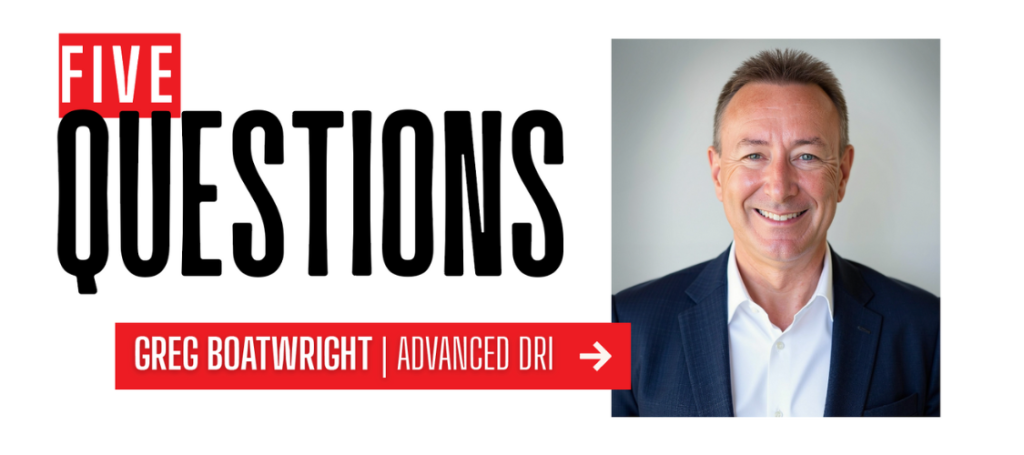
I’m most proud of building Advanced DRI into a premier regional company that can handle big, complex work without losing the human side of the business. I call it the biggest little company in the region.
We’ve grown organically and through acquisitions, built new leadership layers, and invested heavily in developing people — not just chasing revenue. Growth is important, but culture and consistency are what make growth sustainable.
What matters most to me is that our people are proud of where they work and how we operate. If you get that right, the numbers usually follow.
5.Who are your most influential mentors in the industry?
I’ve learned the most from a mix of operators, peers, and leaders who focus on execution and people, not just ideas.
Some taught me the importance of discipline and process. Others reinforced that you can’t build a great company without investing in people. And a lot of learning has come from peers in industry groups who are willing to be honest about what’s working and what isn’t.
This industry is too complex to figure out alone. The best leaders I know are always learning from others.
BONUS: #1 value you get from being an RIA member.
RIA gives you access to operators who actually care about doing things the right way and pushing the industry forward. It’s a place for real conversations, shared learning, and raising the bar — not just swapping business cards.
Being part of that community helps you stay sharp, grounded, and connected as the industry continues to evolve.
Related Posts