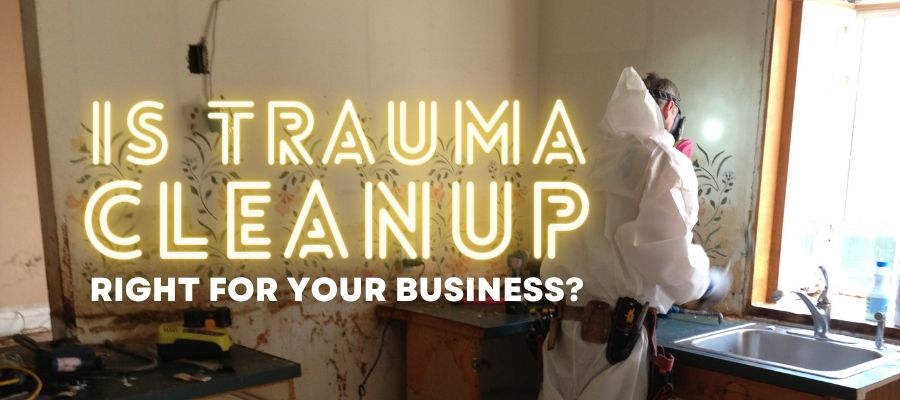
If you’re anything like me, you’re always looking for opportunities to grow or add to your company. As cleaning professionals we seem to have a never-ending supply of stuff to clean. We’re busy with mold remediations, we’re running from water loss to water loss, pumping out water and setting up drying equipment. And nowadays, disinfection services are popping up everywhere. Don’t get me wrong, this is all hard work – and there’s plenty of science and engineering behind our daily job duties. As tough as the long hours and middle of the night pipe bursts can be, none of those tasks have the potential to trigger traumatic, lasting memories to an impressionable employee like a trauma or decomp cleanup.
And whether you currently offer those services or you’re considering adding them, you should ask yourself “is this right for our company?” More specifically, is it right for the people actually doing the cleaning?
When we added forensic cleaning to Mastertech’s existing mold, water cleanup services, my crew of 3 at the time was gung-ho and couldn’t wait to dive into their first juicy, forensic cleanup. Within a month or so of marketing our exciting new services, we landed a job. “The nastier, the better!”, one of them boasted on the drive there, having no idea what he was about to walk into.
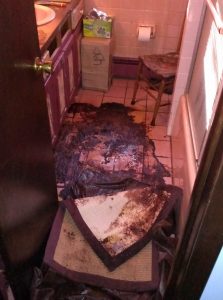
Unattended death
It was an unattended death where the deceased had gone undiscovered for about a month. When we arrived, we realized that the home had lost power, causing the crawl space under the home to flood with a combination of rain water and human body fluids. Our decedent had melted through 4 layers of tile and subfloor causing the phenomenon we called “death soup.” There were 2 dead cats in the house and turkey vultures had lined the roof of the home. A strong, foul odor was emanating from every door, window and crack in this house. If any job was going to break one of my guys, it was this – our first job.
Like any other job, I did my morning walk-through, briefed the crew, set up our equipment and got started. Although admittedly nervous, I knew we were at the very least “educationally” prepared for this cleanup. I knew we had the right equipment, the right products, and we had 3 willing employees who were eager to “dive” into the job.
Well, we had 3 willing employees, but that’s not what we ended the day with.
If memory serves me, it was lunch time on day one when I received a text from one of my guys. I was confused because this tech was in the same house – with me, cleaning up the same mess – or so I thought.
The text simply read “We out.”
Two of my 3 techs had decided in no uncertain terms that I couldn’t pay them enough to do this kind of work. They left without even a goodbye, and we somehow finished without them.
Lesson learned? Morbid curiosity does not make for good forensic cleaning technicians.
Set yourself up for success.
The excitement and allure of the crime and death cleaning industries can be both a benefit and a detriment when hiring technicians for this type of work. That means we tend to get candidates that think they would love to do this kind of work. Maybe they’ve seen it on TV or watched a documentary and were drawn to the macabre in general. Unfortunately, morbid curiosity aside, these candidates are usually unqualified time wasters and are unprepared for the reality that is our industry.
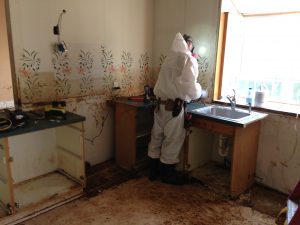
Cat hoarding
And therein lies the problem.
In our 3 New Jersey offices, we have cleaning techs that could literally eat a sandwich while cleaning up a decomp scene (not safe or allowed)! We also have techs that want nothing to do with those services – and that’s okay. Knowing your employee’s limits up front and understanding what they are able to handle – and not handle – is critical, in these sensitive and potentially dangerous services.
Mistakes were made.
One of my mistakes back then was simply not asking how my employees felt about cleaning up body fluids and death scenes. I also never talked to them about what to expect. The smells, the blood, the maggots and flies. More importantly, the thoughts that enter one’s mind when faced with the reality of death. I didn’t think to warn them about any of it. I say this was a mistake because I knew better. After spending years as a Firefighter in a busy department, we dealt with tragedies that have left life-long memories with me. Despite my experiences, I had not even considered having real conversations with my team about what conditions they would have to work in and around.
So, is it right for your business?
If you operate in a fairly populated area, chances are the answer is “yes.” As violent crime and death rates increase, so will the need for our services. If you can find the right people who can commit to handling these difficult cleanups correctly – and for the right reasons – then this may be the right industry for you.
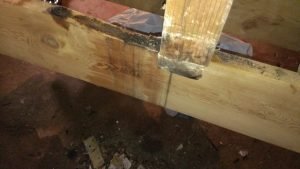
Unattended death
Profitable? Yes. Trauma cleaning tends to bring in higher profit margins in general than many other mitigation and environmental cleanups.
Training and Safety? Plenty of training resources available. There are lots of schools and organizations that offer training for crime and death scene cleanup throughout the United States. On the safety side, you will want to make sure your employees have Bloodborne Pathogens training, the right vaccinations (Hepatitis, etc) and take PPE seriously. This is not the right work for guys that leave their masks hanging around their necks and wear the same pair of gloves all day.
Equipment? Not much necessary. If you already own and operate a cleaning company, chances are you already have some (if not most) of the equipment necessary for these services. You may need a few specialty cleaning items, but in general, forensic cleaning is not an equipment-heavy industry.
Insurance? Potentially costly. You’ll need to check with your insurance provider to discuss your additional services to determine if you’ll require additional coverage.
Regulations? Not likely. Unless you operate in one of the few states that regulate these services, there are not likely regulations to follow (this is why training is so important). Even without cleaning regulations, there are likely laws that regulate medical waste disposal. Check with your state to find out what regulations are in place before cleaning up a single drop of blood.
Lessons Learned?
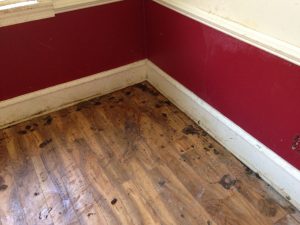
Cat hoarding
Weed out candidates with your first question. “Why do you want to do this type of work?” If they mention watching CSI every night or crime documentaries, try not to giggle and politely advise them to move on. Try to hire directly from a pool of people who are trained and qualified to deal with tragedy on a daily basis – the Fire Department and Emergency Medical Service providers. Why?
- They can presumably handle this type of work.
- They likely care about people.
- They probably have lots of free time during their off-duty days.
- They like earning money.
How do we recruit FD and EMS workers? We send direct mailers out to all volunteer and paid Fire and EMS services in our area asking if any of their members are looking to earn some extra money while helping families in a time of need. It works, try it.
So, if you’re wondering if it was right for my business? I’d say yes. And although it has neither made or broken my business, it has broken some employees – and that bothers me. Especially since I could have done a better job filtering out the people who weren’t up for it and better preparing the ones who were ready.
Biggest lesson learned? Talk to and take care of your employees as they are your number one asset.
Related Posts