While restoration is known to be a relatively resilient industry, it’s also highly competitive and heavily driven by weather events, causing lead flow to fluctuate throughout the year. One way restorers can establish a more dependable stream of revenue and better shield their business from economic ups and downs is by adding a vertical to their service offerings.
In part one of our Add a Vertical series, we covered the ins and outs of expanding into the environmental space. Now, in part two, we’re turning our focus to roofing. If you’re already getting roofing leads and subcontracting them out or have thought about expanding into this high-demand industry, this article is for you.
We spoke with roofing expert John Clabeaux, who has decades of experience on both the manufacturing and contractor sides of the industry, to break down the biggest opportunities, biggest challenges, and other key factors to consider before adding a roofing division of your own.
Biggest Opportunities
- The Demand is Hot
Roofs are one of the most important elements of a property’s structure and one of the costliest when damaged. According to Verisk’s April 2025 Roofing Realities Trend Report, roofing repair and replacement costs totaled nearly $31 billion in 2024, up 30% since 2022.
Roof-related line items made up more than a quarter of all residential claim value, with wind and hail driving over half of residential losses. Notably, non-catastrophic roof claims have surged from 17% to 25%, showing just how much everyday events are driving demand.
As John explains, “When a hurricane hits, if you pull into a neighborhood, everyone wants to talk to you.” Roofing will always be needed, and the more volatile the weather, the more urgent the demand.
- The Profit Margins Are Big
Roofing is known to have large profit margins, largely due to a contractor’s ability to negotiate material costs. “You’re making your margins on the material.” John shares. “If contractors are large enough or have a big enough project, they can negotiate a back-end rebate or a discount on the material for prompt payment.” These tactics can help contractors earn 25% to 35% on a roofing job.
- It Opens the Door to More Restoration Work
If you’ve worked on roofs before, you know water intrusion usually doesn’t stop at the roof. More often than not, there’s an opportunity to provide mitigation or other restoration services. If a client calls you to look at their roof, you now have the opportunity to also sell them on the additional restoration work.
Biggest Challenges
While the roofing industry is ripe with opportunity, there are some additional challenges tied to the dangerous nature of the job.
- Roofing Carries Greater Risk
Roofing is an inherently dangerous job, requiring:
-
- Increased workers’ comp insurance premiums
- Strict OSHA compliance requirements
- Higher likelihood of job site injuries
These factors contribute to elevated insurance costs, added regulatory responsibilities, and greater overall liability. Contractors considering a roofing division should plan for dedicated safety training, rigorous subcontractor vetting, comprehensive insurance coverage, and clear job site protocols to protect both workers and the business.
- Stringent Licensing/Certifications (sometimes)
Licensing requirements vary from state to state. “There are certain states where you can walk in, fill in a form, and you’re now licensed. But some states like Florida and Colorado have very stringent, very difficult licensing procedures.” John notes. Professionally, he is Haag certified, though this is a voluntary credential showing you can recognize damage to a roof and isn’t required by any state. While most of roofing is taught on-site, John says it certainly doesn’t hurt to have your top roofers get their Haag certification.
- The Industry is Increasingly Litigious
John points out that 20 years ago, roofers could simply walk the roof with the adjuster and identify the damage together. “It was a pretty simple conversation,” he notes. “It’s just gotten a lot harder now.” What John is pointing to is a more litigious climate experienced by restorers across the board. He adds that he’s seen an uptick in having to fight the damage and how roofing codes in states like Florida are changing left and right. “If your home or building was built prior to 2011 and you had 25% of the roof damaged, it constituted a replacement. If built with the 2011 building code or later, you need 75% of the roof damaged for replacement.” This can certainly bring challenges and place additional demands on documentation, billing, and providing the necessary documentation and correspondence to respond to any pushback from adjusters.
Data Supports These Trends
Verisk’s roofing report confirms the regional and structural risks:
- 38% of U.S. homes have roofs in moderate to poor condition.
- These roofs experience 60% higher loss costs than those in good condition.
- 29% of homes with asphalt shingles have less than 4 years of remaining roof life,
increasing vulnerability. - Hip roofs (20% of U.S. homes) are more resilient against wind and more common in states like Florida and Louisiana.
- Roofs in the western U.S. tend to be in better condition than those in the east due to less weather variability.
Residential vs. Commercial Roofing
As is true with most restoration, repairing or replacing commercial roofs is much more complex than residential structures. “Commercial flat roofing is a whole other world. You need to know what product is on the roof, what the assembly of the roof is, and what has been damaged via hailstorm or hurricane.” John shares. Commercial roofs can be made up of many different products, including TPO, EPDM, modified bitumen, PVC, and metal, and each one behaves differently under weather stress. To properly assess the roof, you must understand the type of material, the damage sustained, and whether the damage constitutes a repair or replacement. For this type of work, you will need someone on your team who has a lot of experience.
How to Generate Leads
If you decide that the liability of bringing in an in-house roofing team is worth it, John outlines two key options for generating leads.
1) Use Your Network: As a restoration contractor, you are likely already bringing in roofing leads and subbing them out to someone else. You have the option to hire someone who is knowledgeable about roofing and let all of your customers and insurance companies know that you have a roofing division and are doing it in-house. This way, you can profit more from the leads you’re already getting by performing the roofing work yourself.
2) Rely on Storm Response: In catastrophe situations such as a hurricane, where almost everyone needs some type of roofing services, you can create an agreement to perform the remainder of the work (because if there’s roof damage, there’s also interior damage) that’s subject to the insurance company’s approval. So, if the project can be bought by the insurance company, the homeowner or property owner will allow you to perform the work for them.
Conclusion
If you’re considering bringing in an in-house team for roofing, John has one more piece of advice: “Consider making your roofing division a separate entity. Even if you have all of the proper safety protocols and procedures in place, roofing is a risky industry. This helps manage
some of that risk.”
If you’re already getting roofing leads, there’s no better time to stop sending them out, and start bringing them in.
ATI in collaboration with John Clabeaux
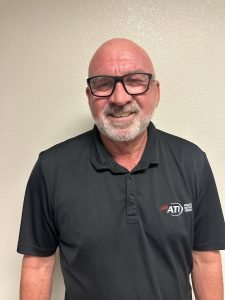 John Clabeaux brings over three decades of experience in roofing and restoration, with a background that spans commercial roofing manufacturing, forensic consulting, and project leadership on large-scale restoration efforts. Throughout his career, he has worked with architects, engineers, adjusters, and production teams to inspect, assess, estimate, and manage repairs on a wide range of roofing systems and property losses. He is now Executive Project Director at ATI, where he leads teams in delivering complex exterior restoration projects with expertise in insurance appraisal, damage assessment, and construction management.
Related Posts