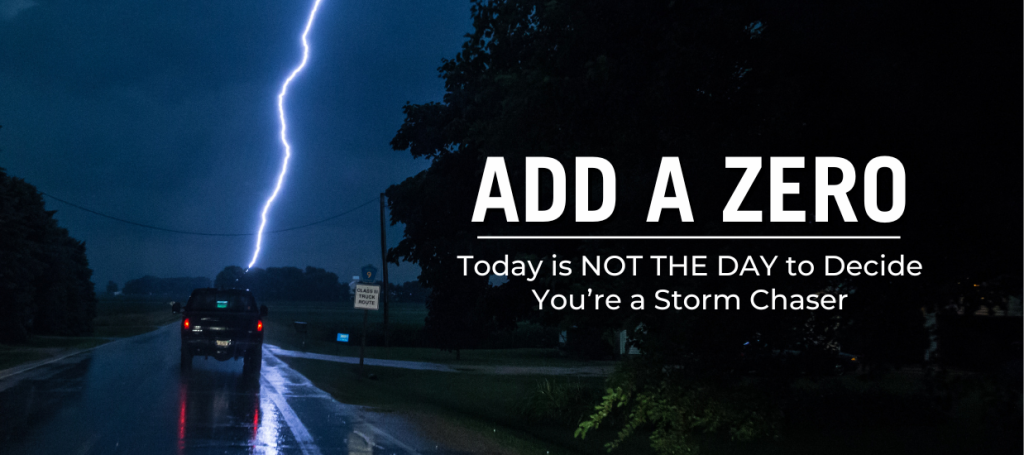
Hurricane season is in full swing, and so far, it’s been nothing short of brutal. In September, Hurricane Helene tore through parts of the Southeast with 140mph winds. Just days later, Hurricane Milton made landfall along Florida’s Gulf Coast, causing billions in damage and spawning no less than forty tornadoes ahead of its approach.
Every year, after events like these, my Facebook page, the Restoration Rebels, lights up with activity. Inevitably, someone mentions wanting to jump into CAT (catastrophe) response, and every year I see restorers who made that leap end up out of business.
I’ve personally responded to several hurricanes, and believe me, I’ve made plenty of mistakes along the way. These same storms that can bring a flood of business can also sink your company if you’re not careful.
If the aftermath of these hurricanes has you thinking about becoming a CAT contractor, pause. Let’s take a step back and learn from those who’ve weathered these storms successfully. That way, if you do decide to go, your team will be prepared and leave profitable.
Leave the Work Authorization at Home
The biggest problem with collections in our industry? People still haven’t been paid from Hurricane Ian because the contract they used wasn’t really a contract—it was a work authorization.
Insurance companies laugh at work authorizations. They know they don’t have to pay because it’s not legally binding. It lacks essential elements of a valid contract, such as:
- Offer: The contract needs to clearly outline what services will be performed. A work authorization typically just grants permission to begin work but doesn’t specify the actual services.
- Consideration: A contract must specify the value being exchanged for services rendered. A work authorization often omits specific costs because the full scope of work is unknown. There are ways to mitigate this, which we’ll discuss in the follow-up article.
- Terms & Conditions: You need to detail what could void the contract and the associated remedies. The most common violation? Not paying the bill.
Without these elements, a work authorization won’t hold up in court, and you won’t get paid. It’s that simple.
Plan to Be in a War Zone
If you think you can load a cooler with water and Bud Lights in the back of your truck and head out to do CAT work, think again. When you enter a CAT situation, you’re stepping into a war zone. Sure, it’s in the U.S., but for all practical purposes, it’s a third-world environment. There’s no power, no grocery stores for miles, and the gas stations are empty.
To succeed in this environment, you need to plan extensively. Ask yourself: Where will you plug in your equipment if there’s no power? Where will your crew sleep? We take a lot for granted in our daily lives, but when responding to a CAT event, you’re essentially off-grid.
Big companies like ATI have mastered CAT deployment. Derek Middleton, VP of Operations at ATI, offers some crucial advice:
“Doing a water loss doesn’t change with location, but responding to CAT work is about the details. Think ahead. Do you have a business license for the state you’re working in? Are there environmental or contractor regulations? Does your insurance allow you to perform work out of state? Set these things up in advance so you can stay profitable.”
Do You Have the Cash?
I once participated in an intensive Wilderness Leadership course through the National Outdoor Leadership School (NOLS), and one of the key philosophies they teach is that you can never eliminate risk, only manage it. And if you don’t know what the risk is, you can’t manage it.
The number one killer of restoration companies is cash flow—or rather, the lack of it. After disasters, contractors often end up handing out what amounts to interest-free loans by offering services without upfront payments. When the average time to get paid stretches into months, this becomes a high-risk activity that can quickly sink your business.
Restorers need to plan for this inevitable cash crunch and find ways to mitigate the risks. One effective strategy is requiring large deposits or retainers before any work begins. We’re not talking about the typical $500–$1,000 deductible. A solid deposit should cover your anticipated costs or at least a significant portion of them. This way, you’re not left financing the project out of your own pocket while waiting on slow payments.
Understanding the risks of deploying to a CAT event is crucial. Two of the biggest risks remain:
- Not getting paid.
- Getting paid, but having to wait 6–12 months for your check.
These risks bankrupt restoration companies every year. To safeguard your business, I recommend having at least 50% of your annual revenue in cash or securing a line of credit. Remember, a line of credit starts accruing costs immediately, so you’ll need to factor that in as well. Without access to cash or credit, you could find yourself on the brink of bankruptcy.
Another way to manage this risk is by ensuring you have work lined up before heading out. We’ll also dig deeper into this topic in the follow-up article.
Conclusion
I’d be remiss if I didn’t acknowledge that this is why we’re here. Our experience, resilience, and talent are meant to be put to work, helping restore communities after catastrophic disasters. There’s nothing wrong with growing through CAT work—it’s how many of the big players started.
But it takes more than just knowledge to respond to a CAT event successfully. Fortunately, there are plenty of lessons to learn from those who’ve done it right.
Stay tuned for the follow-up article, where we’ll explore staying profitable, managing risk, and protecting your home base during CAT deployments.
Andy McCabe (in Collaboration with ATI)
 Andy McCabe is a licensed claims adjuster and founder of Claims Delegates, specializing in property damage restoration and insurance claims. With over 20 years of experience, Andy has responded to numerous catastrophic events, gaining deep insight into the challenges restorers face. He’s also the leader of the Restoration Rebels, a community dedicated to empowering contractors through education and fair practices. Known for his expertise in Xactimate estimating and public speaking, Andy advocates for better business strategies and transparency in the restoration industry.
Related Posts