The restoration industry has never had more technology. Dashboards. Mobile apps. AI. Automation. Reporting. Documentation tools.
And yet, technology alone has never restored a home.
The companies that win are not the ones with the most tools. They are the ones that successfully bridge their people and their technology.
Because the real work does not happen behind a screen. It happens in crawlspaces thick with humidity. On ladders where balance matters. In attics where the air is still heavy with smoke. And at kitchen tables, sitting across from property owners whose lives have been disrupted without warning.
In those moments, technology is either friction, or force.
At Southeast Restoration, technology is not implemented for the sake of innovation. It is implemented to remove friction and create margin.
- Friction looks like: photos no one can find when an adjuster asks for them.
- Friction looks like: waiting on information that already exists somewhere else.
- Friction looks like: leaders forced to make decisions without the full picture.
Every moment of friction slows response.
Slower response weakens communication.
And when communication weakens, trust erodes.
Bridging people and technology means building systems that move at the speed of restoration. Log notes that create clarity instead of confusion. Dashboards that answer questions in seconds, not days. Data that belongs to the organization’s knowledge base, not trapped in someone’s memory or buried in a folder where no one can find it.
When friction is removed, margins appear.
- Margin to look a property owner in the eye and give them confidence.
- Margin to respond faster to adjusters and partners.
- Margin to focus on quality and documentation without sacrificing speed.
- Margin to lead, instead of reacting.
This does not happen by accident. It requires leadership.
Good coaches carry positive discontent. They are proud of progress but unwilling to accept unnecessary friction. They ask, what could be better? What is slowing our people down? What would give them time back?
They refuse to accept “that’s just how it is!”
That is how transformation happens. Not by chasing technology, but by removing obstacles.
Many restoration companies buy software and hope their people will adapt. At Southeast Restoration, we build technology around our people so they can move faster, communicate clearer, and serve with confidence when it matters most.
Because the goal is not more technology. The goal is margin!
Margin to think clearly.
Margin to communicate with confidence.
Margin to serve property owners in their most critical moments.
Margin to restore lives while repairing property.
This week, identify one point of friction in your daily work. Do not accept it as permanent. Raise it. Challenge it. Remove it. Because every obstacle eliminated gives someone else the margin to lead, to serve, and to restore.
Taylor Carmichael
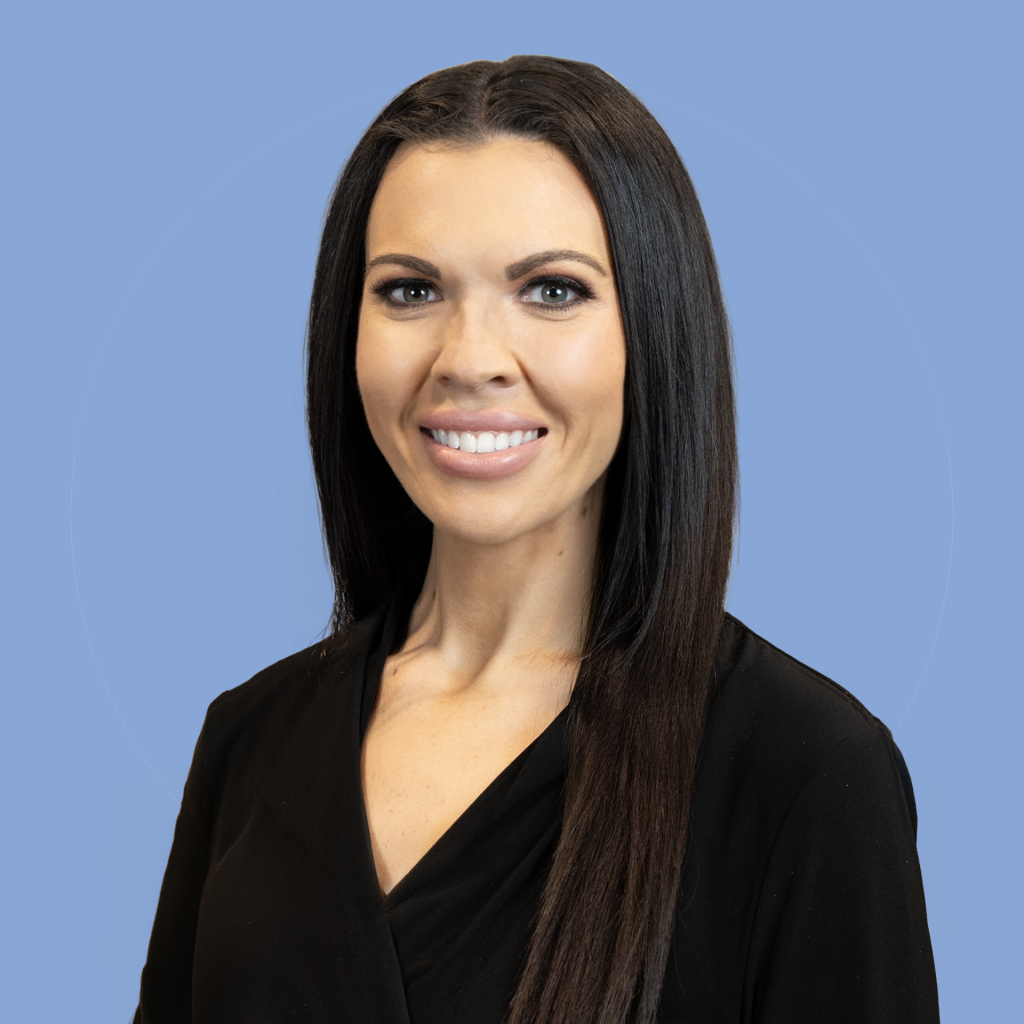 Taylor Carmichael is the Director of Systems at Southeast Restoration, where she leads the integration of technology and operations across the cleaning and restoration industry. With a Master of Information Systems and over a decade of industry experience, Taylor focuses on streamlining workflows, improving communication, and driving scalable solutions. She’s passionate about making technology practical by bridging innovation with day-to-day execution to help restoration teams work smarter and grow stronger.
Related Posts