Leadership, at its core, isn’t just about making decisions. It’s about making the right decisions—ones that consider not just what can be done but what should be done. This distinction came into sharp focus during a recent conversation I had with Wayne Hudson, a colleague who challenged me in a way that made me take a hard look at my leadership style.
As leaders, we often get caught up in the whirlwind of tasks, deadlines, and urgent demands. But how often do we slow down enough to ask, “Is this the right move for the team? Is this the right approach?”
The Significance of ‘Should’ Over ‘Can’
Wayne and I were discussing a situation where I had assigned a task that was urgent in my mind, expecting an immediate turnaround. I wasn’t thinking about how this might affect the person’s workload or stress level. I was focused purely on what could be done—pushing for the result, prioritizing speed over consideration.
Wayne, in his calm and insightful way, pointed out something that I hadn’t fully grasped until that moment. He said, “The problem isn’t whether we can do it. The real question is whether we should do it.”
That hit me in the forehead.
It’s not just about what’s possible, but what’s appropriate. As leaders, we need to think beyond the immediate task at hand. We need to consider the broader impact—on the person, on the team, and on the culture we’re building. This principle of “Can we versus should we” transcends the basic decision-making process and invites us to think deeper about our leadership choices.
Understanding the Ripple Effect
When we’re in leadership positions, our decisions don’t just affect us—they ripple through the entire organization. The tasks we assign, the deadlines we set, and the expectations we communicate all send messages about our priorities and values as leaders.
In the situation Wayne and I discussed, I had thoughtlessly asked for something on short notice without considering the impact on the team member responsible for delivering it. Wayne explained how, from that team member’s perspective, my request might have felt like a disregard for their workload and well-being. They likely questioned whether I even cared about the stress or pressure I was adding to their plate.
Hearing Wayne say that was a gut check. Was I unintentionally creating an environment where my team felt undervalued or overworked? Had I been leading in a way that was more about what I needed and less about what the team needed?
Wayne’s feedback helped me see that every leadership decision has consequences. “Because I’m constantly introducing a tremendous amount of stress to relationships, I have to understand where I can mitigate stress and still enforce process adherence,” he explained. It wasn’t just about the task or the deadline; it was about managing the long-term health of the relationship.
The Importance of Stress Management in Leadership
One of Wayne’s key insights was how important it is to manage stress within the team. He said something that stuck with me: “When you put someone’s back against the wall like that, you’re making a withdrawal in terms of your leadership capital in that relationship.”
That leadership capital—the trust, respect, and goodwill you’ve built with your team—is critical. Every decision you make either deposits or withdraws from that capital. Thoughtless urgency can erode it, leaving your team feeling overwhelmed, unappreciated, and less motivated.
Leadership, then, is as much about managing relationships as it is about managing tasks. It’s about understanding when to push and when to pull back. It’s about recognizing the difference between what’s urgent to you and what’s truly important for the team.
There’s an unavoidable reality that stress is part of any leadership role, but Wayne put it well when he said, “There’s stress that’s not optional… when we have a deadline to meet, we’re going to meet it, and I’m not going to budge. But there’s other stress I can choose to mitigate.”
This is where the distinction between can and should become essential. Sure, you can demand an immediate response. But is it necessary, and more importantly, what impact will it have on your team? The “should” is about balancing results with relationships.
Balancing Productivity with Humanity
The challenge many of us face as leaders is balancing productivity with humanity. Yes, we have goals to hit, projects to complete, and deadlines to meet. But we also have people—people with lives, emotions, and limits. When we focus solely on what can be done, we run the risk of burning out our most valuable asset: our team.
Wayne’s feedback reminded me that being a leader isn’t about always being the one with the urgent request or the tight deadline. It’s about creating an environment where people feel supported, understood, and respected. Sometimes, that means slowing down, reassessing the urgency of a task, and asking, “Is this necessary? Does it have to be done right now?”
I learned a lot from Wayne’s comments about managing the creative process, too. He said, “When you ask somebody to create anything, the less clear the boundaries are, the more time almost becomes an abstraction.” This was a reminder of how much clarity matters in communication. Without it, even simple tasks can become complicated, stressful, and time-consuming.
A Shift in Perspective: Leading with Intent
After our conversation, I began reflecting more deeply on my leadership approach. I realized that I had often been operating on autopilot, reacting to the immediate demands of the day without considering the long-term effects on my team. I wasn’t always leading with intent. I wasn’t always asking the critical question: Should we?
Leading with intent requires a shift in mindset. It means stepping back from the daily grind to consider the bigger picture. It means recognizing that leadership is about more than just getting things done; it’s about how we get things done. It’s about the relationships we build along the way and the culture we foster within our organizations.
Putting ‘Should’ into Practice
So how do we start leading with the Should instead of just the Can?
First, we need to develop the habit of pausing before we make decisions. Instead of rushing into action, take a moment to consider the broader impact. Ask yourself, “Is this the right decision for the team? Is this the best use of our resources and time? Is there a better way to approach this?”
Second, we need to communicate openly with our teams. Encourage feedback, listen to concerns, and be willing to adjust your approach based on the needs of your people. Leadership isn’t about dictating from the top down—it’s about collaborating and co-creating solutions that work for everyone.
Finally, we need to be mindful of the stress we’re placing on our teams. Recognize that while some stress is unavoidable in any fast-paced work environment, unnecessary stress caused by thoughtless decisions is avoidable. By being more intentional and thoughtful in how we lead, we can create a healthier, more productive workplace.
Conclusion: A Leader’s Responsibility
Leadership is about more than just making things happen. It’s about how you make things happen. The next time you’re faced with a decision, remember the power of “Should.” Consider the long-term impact of your choices, not just what’s immediately possible. Lead with intention, care, and a deep understanding of the ripple effects your actions have on those around you. Because at the end of the day, leadership isn’t just about what you can do—it’s about what you should do.
Chris Nordyke & Wayne Hudson
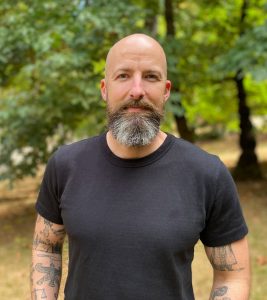 Chris Nordyke is the co-Founder and President of Floodlight Consulting Group and Floodlight Sales Partners, and CSO at FP Restoration. Chris speaks throughout the year at industry events, and conducts live workshops focused on commercial sales and ops, customer experience strategy and building enterprise value. He is also the co-Host of the Head Heart & Boots podcast, a popular restoration industry show. For more information on Floodlight’s fractional sales management solution, visit https://www.floodlightgrp.com/
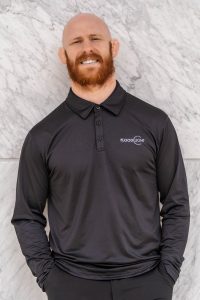 Wayne has built a dynamic career rooted in the skills acquired during a 7 year stint in Property Management. While managing portfolios of hundreds of units spanning multiple locations he focused on becoming a more strategic thinker and worked hard to build high impact relationships.
After honing his leadership skills through hands-on management and navigating unique vendor partnerships, Wayne took a bold step in 2021, leaving his career in Property Management and pursuing competitive submission grappling while traveling the country.
Now, Wayne thrives in a remote role at Floodlight, applying his expertise to the growing team while planning his upcoming wedding with his fiance Hunter and heeler mix Samantha.
Related Posts