 Share a little bit about your company – Its background, location, etc.
We’re a women-owned and operated team based along the I-75 corridor on Florida’s Gulf Coast. Our team takes a lot of pride in the details of our work, but above all, we focus on building real, empathetic connections with the people we help. When someone’s going through the trauma of a flood or disaster, it’s more than just getting their stuff cleaned up, it’s about offering understanding and support, and that’s where we really shine.
When did you first get the call about the loss? How did you land this job?
We knew Hurricane Helene was on its way, so before the storm even made landfall, we reached out to our trusted referral partners to let them know we were ready to help. We shared how many crews we had, what we could handle, and how we were geared up to respond quickly after the storm. Those proactive conversations paid off: the calls started rolling in the very next morning, and we were able to jump in and start helping right away.
Walk us through the loss:
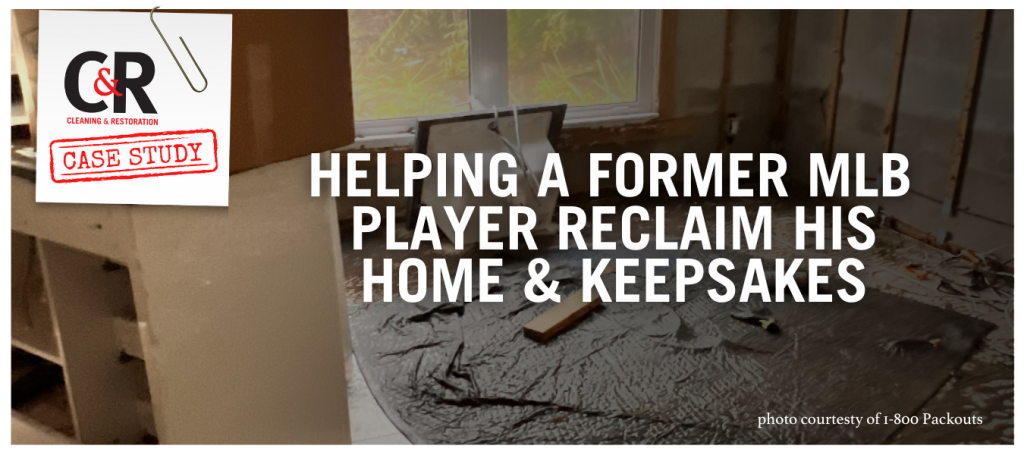
This home in Siesta Key took a beating, with about 3-4 feet of flooding throughout the entire first floor. Because the homeowners had National Flood Insurance Protection, it didn’t cover every single piece of what we do, but they made the decision to pay out of pocket for the things that mattered most. We worked closely with them to disinfect furniture right there on-site, carefully document every total loss, and make sure everything was properly disposed of. We know these aren’t just “things” for our customers, they’re pieces of their lives, and we treat them with that respect.
How big was the crew working on the loss, especially in those first few days?
We had a team of six out there, working together like clockwork. Two people were focused just on total loss documentation.
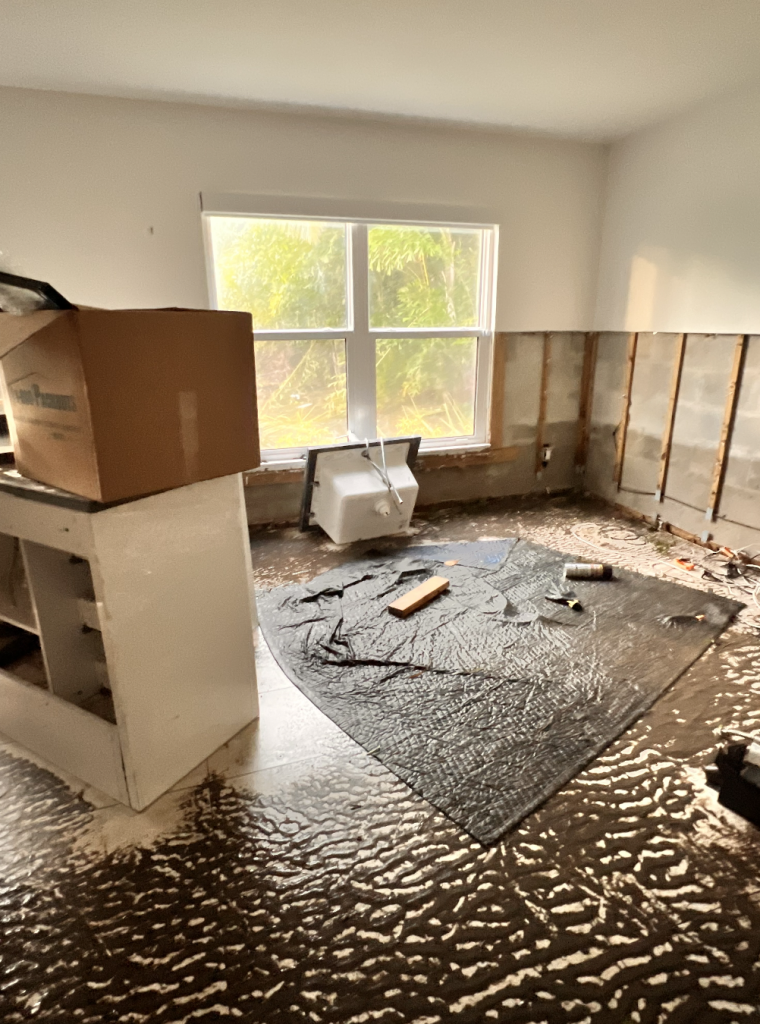
3-4 feet of flooding throughout the entire first floor. photo courtesy of 1-800 Packouts
What was the biggest challenge on this loss? What was the biggest win?
Biggest challenge: The neighborhood was a real challenge to get into. It had narrow roads, standing water, and a lot of people just trying to figure out what came next. Plus, with so many contractors and emergency vehicles in the area, getting dumpsters and hauling things out was tough. But we stuck to county guidelines and took the time to make sure everything was sorted and disposed of safely.
The heartbreak didn’t end there. A few weeks later, Hurricane Milton hit the same home with another 3-4 feet of flooding. Many of the items we had carefully salvaged and stored in the garage were damaged again. The homeowners shared photos and a new list, and we got creative: we built out a detailed spreadsheet in Excel to make sure there were no duplicates and that every detail and cost was accounted for so they had one clear, comprehensive record of what they’d lost.
Biggest win: There were some really special wins, too. When we were packing up the house, we took extra care with a set of blue china, moving it upstairs for safekeeping. Later, the homeowner told us that the set had once belonged to Thomas Jefferson! We would have treated it like a treasure no matter what, but it was pretty incredible to hear that story afterward.
Another moment that sticks out: the husband, who’s a retired MLB player, had some signed bats and memorabilia he’d set out on the curb. We spotted them and let them know we could restore those pieces instead of losing them forever. Those are the little moments that remind us how much these items can mean to the people we’re helping.
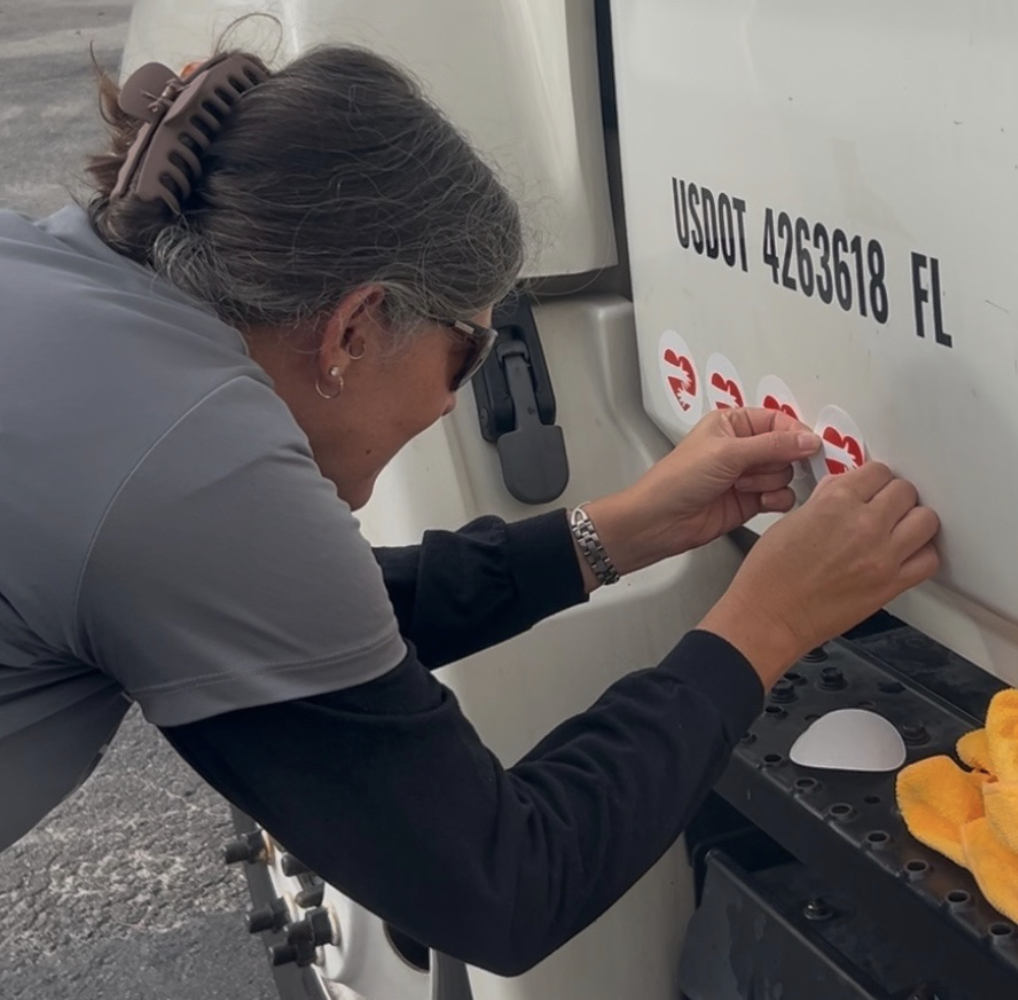
“Every time we offered a needed hug, we placed a little hug sticker on the driver’s side door of our truck.” photo courtesy of 1-800 Packouts
What’s the biggest lesson your team learned?
Good lesson: Having the truck pre-loaded with supplies before the storm was a huge help. It let us hit the ground running and not waste any time.
Lesson learned the hard way: That big truck wasn’t exactly made for those tiny, flooded streets. It was tricky to maneuver, especially with other crews and emergency vehicles everywhere. On the plus side, it was diesel-powered, and since diesel was easier to find in the days after the storm, we could keep moving while a lot of other vehicles were stuck. Next time, though, we’ll prep a van with extra gas tanks, as it’ll be easier to get around and still keep us ready for anything.
How long did the restoration process take?
We spent two solid days on-site right after Hurricane Helene and then came back out for another full day after Hurricane Milton to reconcile everything that had been lost in the second round of flooding.
How was communication with the carrier/adjuster throughout the process? How long did it take to get paid in full?
Because this job was self-paid by the homeowners, we were able to keep things simple and move quickly. We took a 50% deposit to get started and then reconciled everything after the job was complete. We had the final payment within the week. We also made sure to offer a discount for self-pay jobs as part of our storm response. That is just one small way we could help ease the burden for people who were already going through so much.
Anything else you’d like to share?
The physical damage from these storms was only part of the story. The emotional toll was huge, and we felt it too. We listened to story after story, sometimes shared through tears, and we wanted to offer more than just cleanup. We started our “hugs-that-stick” campaign during this time. Every time we offered a needed hug, we placed a little hug sticker on the driver’s side door of our truck. It was a way to turn a hard moment into something that felt a little more human, a small reminder that in the middle of all this chaos, people were still showing up for each other.
Related Posts