How you do what you do is one of the most important things in life.
This is the thought that has resurfaced for me over and over again during the past few years. More than anything else, it is what I hope to convey to my children and to those around me in this season of my life.
There is so much we cannot control in the world around us. But what we can control is how we show up. And how we show up directly impacts every person we encounter.
I often think that the thoughts that make us say, “Well, duh. Of course,” are the very things we need to revisit most often. The little things that seem insignificant are the things that ultimately join to create our lives—and our impact.
As I write this, I am sitting on a couch in a hospital room, looking at my mom, who will move to hospice care this afternoon.
I don’t talk publicly very often about the journey I have been on with my parents over the past four years. While I have been in some of my most active parenting years, I have also found myself part of what people call the “sandwich generation”—caring for aging parents while striving to be as present and intentional as possible with my four boys.
I have never taken lightly the responsibility of setting the tone in my home. I firmly believe that what children experience is foundational in every sense of the word. And it is the responsibility of the adults to own, lead, and demonstrate how to be a strong and compassionate human.
This chapter began when my oldest son was starting his freshman year of college- his first baseball season in college, my second son was beginning his senior year of high school, my third was entering high school and playing on the ninth-grade team, and my youngest was finishing middle school and playing his final season before moving up.
It doesn’t take a math genius to realize that four kids on four different teams—with one of those teams more than two hours away—means a lot of baseball games. Of course this is not including schoolwork, senior year festivities, life in general, and just daily household tasks. Add in my first year at CORE and the heart of trade show season, and life was already running at full speed.
Then we got the call.
We realized we had no choice but to move my parents from the home they had lived in for more than 40 years so they could be closer to one of their children.
Apparently being the only daughter meant I was automatically drafted for the role.
So, we moved my mom into a memory care facility to help stabilize her dementia and moved my dad in with us for six weeks. (I quickly realized that solution wasn’t going to be long-term after he used my 18-year-old son’s toothbrush and I looked inside his medication bag and immediately understood that managing his medications alone could be a full-time job.)
After over a year of learning what caregiving looks like and a few negative experiences, we moved them together into an independent senior living community and hired some additional care. (My dad could still drink coffee and read the paper every morning with the older men, and my mom had the support she needed around her.)
Since then, I have lost count of all the hospital stays, doctor’s appointments, surgeries, therapy appointments, medication changes, difficult conversations, diagnoses, and decisions.
Today, I sit looking at my mother in a hospital bed as her 75-year-old life draws to a close. Her life is ending, and I am watching it happen.
I’ve experienced this kind of loss only once before, within the past year, when I lost a woman who, as an adult, was more of a mother to me than my own. It was devastating—a true marker in my life. One of those moments that divides life into before and after.
Which brings me to the point. A long road to get here, I know.
The way these nurses have shown up over the past few days has mattered. Some have been a breath of fresh air.
I have written their names in my phone and cried tears of gratitude because they clearly knew what they were doing. They had walked this road before. Their presence allowed me to exhale. They gave me confidence that I wasn’t alone in navigating something I had never done before.
They reminded me that although this is a day I would never wish on anyone, we were going to be okay.
That said, others walked into the room, and I wished I could have locked the door before they ever entered.
Their posture communicated that they would rather be anywhere else but there. Every request felt like a nuisance. Every question seemed to annoy them.
And the unspoken message was, “Good grief. Don’t you already know some of these basic things about dying?”
The truth is, I didn’t.
Most of us don’t.
So, when the hospital asked which hospice company we wanted to use, I had a very clear answer.
I wanted the company with nurses like the first group, not the second.
Not to get too technical, but Medicare covers my mother’s hospice care. So, how those employees show up absolutely impacts whether families choose their company or not.
I researched four or five different hospice providers. In the end, I made my decision largely based on the experiences other people shared with me.
What I wanted was simple.
I wanted a company that understood my mother’s final experiences on this earth matter. I wanted people who would handle those moments with love, dignity, and care.
Back to the point.
I care deeply about service.
I care deeply about the restoration industry and the work we do for people during some of the hardest moments of their lives—moments most people have never experienced before.
How we do that work matters.
And honestly, that excites me.
We have the opportunity to positively impact people during difficult and often devastating times. We have the chance to restore more than property. We can help restore hope. Trust. Confidence. Maybe even a little faith in humanity.
As we continue building White Glove Service at CORE, my hope is that companies and owners recognize just how important their frontline people truly are.
Make sure those people care. About people.
Make sure they understand how they show up matters.
Because how Nurse Johnnie Williams at Baptist Hospital in Oxford showed up for my mother and me over the past few days will never be forgotten.
Not just because of what he did. But because of how he did it.
Beth Thompson
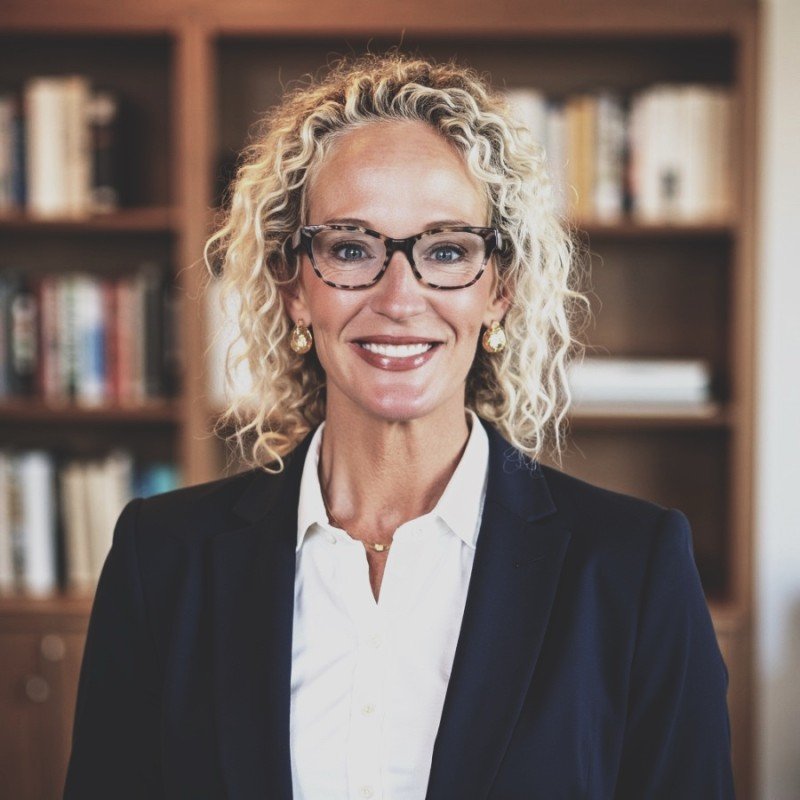 Beth Thompson serves as the Vice President of Experience at CORE Group, a leading network of independent restoration companies. In this role, she oversees the planning, execution, and evaluation of the CORE experience, beginning with member companies and extending to industry relationships, carrier partners, and vendor partners. Beth leads the Experience team in evaluating every touchpoint within the organization, with a focus on delivering first-class service and continually identifying opportunities to improve how CORE engages with its community.
Passionate about White Glove Service, Beth is dedicated to refining processes and elevating experiences while keeping a strong focus on the value of people first. Her work centers on creating environments where individuals feel seen, valued, and heard.
Beth’s core competencies include corporate event planning, strategic leadership, contract negotiation, marketing communications, social media, team building, and organizational leadership. She holds a Bachelor of Arts in Education from Delta State University and is committed to continuous learning, exploring new ideas, and collaborating with diverse stakeholders to help drive excellence across the restoration industry.
Related Posts