The response was overwhelming.
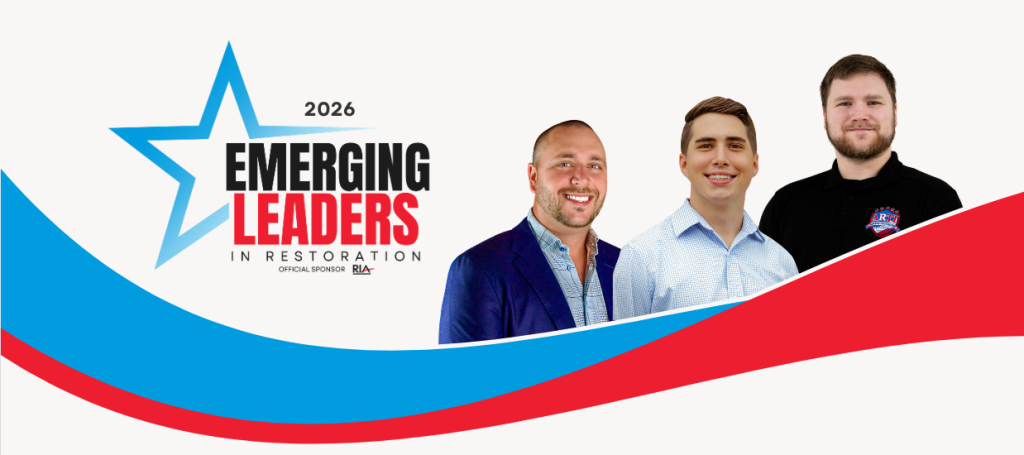
When we launched the Emerging Leaders in Restoration award last year, we hoped it would shine a light on the next generation of talent rising through the ranks of our industry. The response exceeded every expectation and this year, the nominations came in stronger than ever.
After reading through this year’s submissions, we know the future of restoration is bright, driven, and deeply committed to serving others. These traits matter more than ever. The labor gap isn’t narrowing; the Associated Builders and Contractors projects the construction and restoration trades will need to bring on hundreds of thousands of new workers in the years ahead. The industry needs leaders who can not only do the work, but inspire others to join.
The 2026 class of Emerging Leaders is doing exactly that. They’re innovating in the field, mentoring the next wave of professionals, serving their communities, and building workplace cultures worth staying for.
Meet your 2026 Emerging Leaders in Restoration.
 1. What originally drew you to the restoration industry, and what has kept you here?
I didn’t really choose it, it chose me. Go to any industry conference and you hear the same story a hundred times: someone who had no idea what restoration even was, fell into it by accident, never planned on staying. I was the complete opposite.
There’s a picture from kindergarten where our class drew what we wanted to be when we grew up. Firefighters, astronauts, superheroes. Mine said “builder.” I was five years old and already knew I wanted to spend my life putting things back together.
My dad is in restoration, so in a lot of ways I was born into it. He brought me to the office whenever he could, and I thought it was the greatest thing in the world to sweep that warehouse and just be around the team. When I was 13, my mom essentially told my dad he needed to put me to work for the summer or I was going to make everyone in the house miserable. So I became a water mitigation tech. I was the smallest guy on the crew, so I got sent into every crawlspace on every job. I learned drying science and got my WRT before I learned to drive. I worked through high school on large-loss jobs and got pulled into operations, learning the business from the inside out.
Coming out of college, I had a real decision to make. I had an opportunity with Chick-fil-A corporate in their construction department that could have taken me in a completely different direction. I thought hard about it. But I kept coming back to the same thing: this industry lets me build, solve real problems, and sit with people on some of the hardest days of their lives. That’s not something you walk away from easily. I haven’t looked back since.
2. What’s the best advice you’ve ever received?
It’s hard to nail it down to one, but the quote that has stuck with me is from Zig Ziglar: “You can have everything in life you want if you help enough other people get what they want.”
The more I sit with it the more I realize it’s just a restatement of something Jesus taught long before Zig did. Serve others first. Lead with generosity. Put people ahead of the transaction. When you actually live that way, in business and in life, things have a way of working out.
In restoration, we have a real opportunity to do that. People call us on their worst days. They’re displaced, stressed, overwhelmed, and they’re trusting you with their home. There are easier industries. There are industries where you can make more money with fewer headaches. The people who last in this business and actually find meaning in it are the ones who understand that the work is about more than the job. You’re not just drying a house. You’re restoring someone’s life when everything feels uncertain. That’s a calling, not a career.
3. If you could go back and tell your 23-year-old self one thing about this industry, what would it be?
Honestly, I’m 23 now, so I’m basically still having this conversation with myself in real time.
But if I could go back even just a couple of years, I’d reiterate to myself to take the advice I was given more seriously in the moment, because I didn’t fully understand it till later. When you carry a last name that’s known in this industry, people assume things come easy. The truth is the opposite. You work twice as hard, you stay twice as long, and you know that every decision you make reflects on something bigger than just you. You’re not just building your own reputation; you’re carrying one that was built before you and fighting every day to prove you belong there on your own merit and technical skills, not because of your last name.
4. What’s the most surprising or unusual job you’ve ever worked on?
Every job has stories, but one of my favorites is Christmas Eve. I was 18 years old, and we were at a Christmas party when the phone rang.
A fire suppression line had burst on the third floor of a 70,000 square foot church. By the time anyone found it, water had been running long enough that it was icing over out the back of the building. It looked like a skating rink. Inside, water was pouring out of the ceiling tiles, through the electrical panels, down through the light fixtures, all three floors, roughly 500,000 gallons. The pastor FaceTimed his facilities guy that morning thinking it was a small leak. It was not a small leak.
I was one of the assistant project managers on that job, primarily focused on logistics and time and materials billing. Within hours we had desiccants, generators, and trucks rolling in all through Christmas night. Over the course of the project we had more than 150 people on site. That job showed me what this industry actually looks like when everyone decides to show up.
It was fascinating from the technical side, the drying science, the scope, the logistics of managing a building that size across three floors. But what really stuck with me was watching a crew work through Christmas Day with wet socks and cold hands and smiles on their faces, and still doing it right. The church was back in their worship center months ahead of schedule and under budget. That is the job I think about when someone asks me why I do this.
“Holden’s leadership potential is further reflected in his values. Integrity, discipline, and legacy guide both his personal and professional life, and those values show up in how he develops teams, honors commitments, and approaches long-term industry impact.” -Quote from nomination
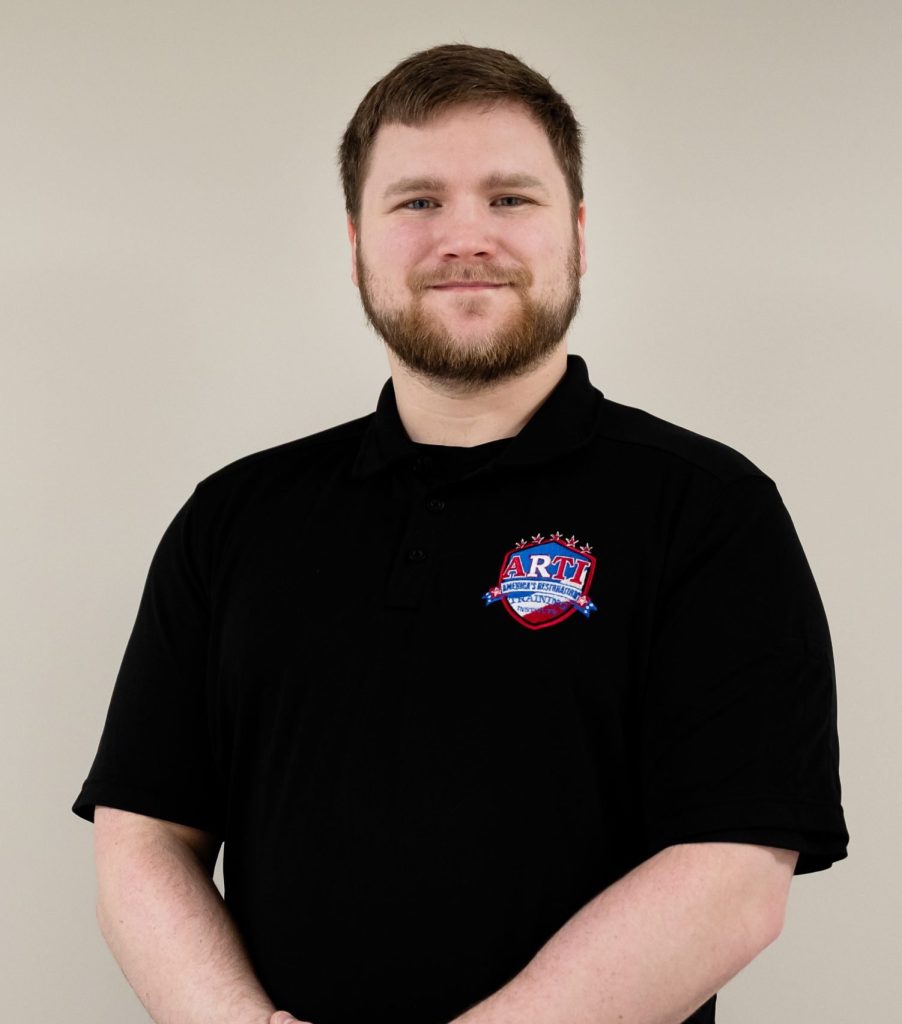 1. What originally drew you to the restoration industry, and what has kept you here?
I was born into and grew up with it. My father owns the restoration company I work for, and my mother, Rachel Adams, is obviously an already well-known industry leader. Combining both worlds led me to forge my own path, striving to better the industry. I’ve stayed here because I’m not only fairly good at it, but I’m also passionate about it.
2. What’s the best advice you’ve ever received?
By far the most impactful advice I’ve followed came from my grandmother, Janet, who told my wife and me that we needed to find a church. Having Jesus as Lord over our marriage has resulted in incomparable happiness and contentment. Although my career is important to me, it doesn’t come close to the importance of my faith and my wife. Although I may have accomplished a lot in this industry and am bound to accomplish more, these achievements would be impossible without God’s countless blessings in my life.
3. If you could go back and tell your 22-year-old self one thing about this industry, what would it be?
Change your major. I was in college at the time, majoring in psychology, back when I thought I wanted to be a counselor. I wish I had changed it to occupational safety and health, that way it would have better set up my path for my masters in industrial hygiene.
4. What’s the most surprising or unusual job you’ve ever worked on?
I think this would also classify as one of my favorite jobs I’ve worked on. It was a sprinkler line break in the Indianapolis Symphony Orchestra building. The line broke in their rehearsal hall, a huge room where the orchestra would practice before their seasonal shows. Due to soundproofing, all the drywall was triple layer, 5/8ths. This part of the building also happen to be built on top of a much older part of the building, roof included. We couldn’t remove and replace the wet materials because they needed the room sooner than it could be rebuilt. The top floor layer, extending down to the bottom of the joists in the level below, consisted of 13 layers of different materials. Using a novel drying strategy and generous applications of drying science, I was able to dry it within 2 weeks. Needless to say, the ISO leadership was quite happy. Solving unique and difficult drying challenges is one of my favorite things to do in this industry.
“Branden is dependable, hardworking, and always willing to step up without being asked. He leads by example, lifts others up, and continually seeks new knowledge to elevate not only himself, but the entire industry.”-Quote from nomination
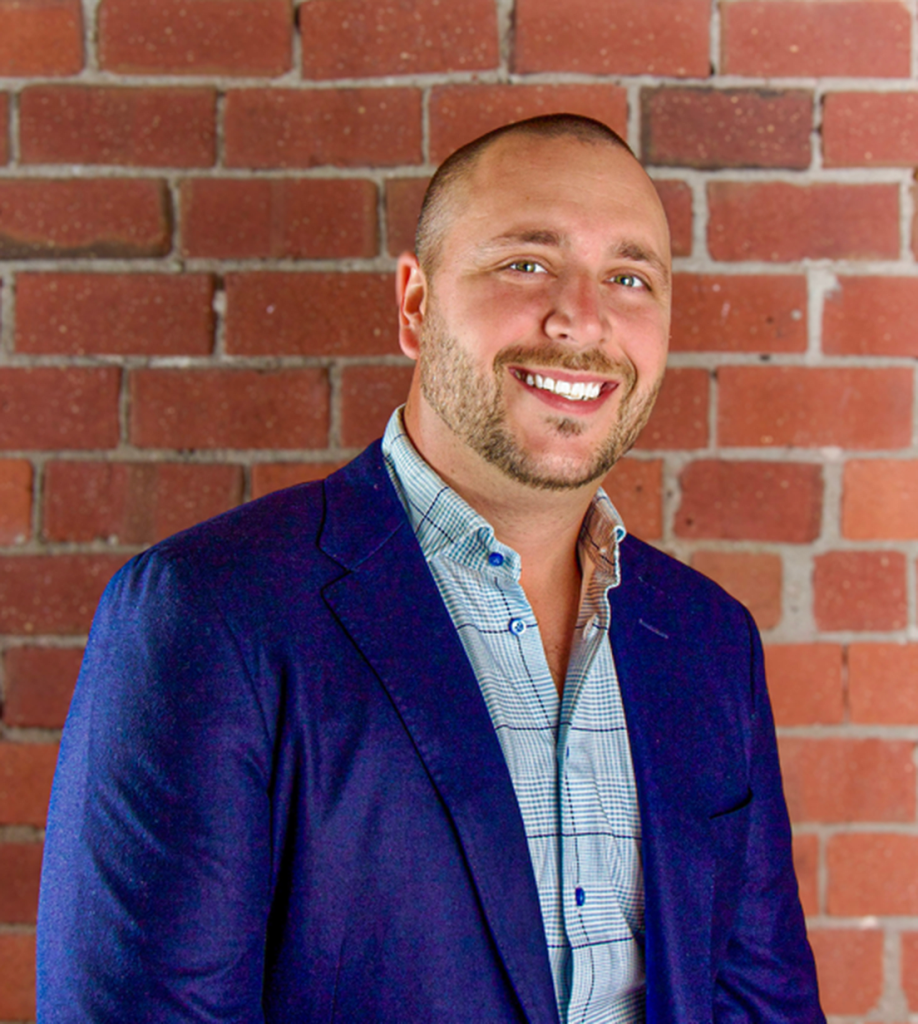 1. What originally drew you to the restoration industry, and what has kept you here?
My career in restoration began with an unexpected phone call. A friend, calling from a payphone, asked if I’d skip school to help with an emergency crime scene cleanup. At the time, I was balancing high school with stocking shelves at a local grocery store and residential construction, but I took the leap and never looked back. That first job quickly evolved into a career spanning from water and fire damage to mold remediation, asbestos abatement, and specialty drying.
What kept me coming back was when I found my niche in large loss and specialty drying projects, environments where the ability to pivot instantly is critical. I’m driven by the high-pressure goal of getting businesses and healthcare facilities back in operation so they can continue serving the community. Whether in the field, managing projects, or consulting, I’ve learned that the most demanding projects are often the most rewarding when executed efficiently and effectively.
Looking back, that phone call taught me a lesson that still defines our industry: you pick up the phone no matter what number is calling or what time of day it is. You never know when the next opportunity will present itself.
2. What’s the best advice you’ve ever received?
A mentor once told me “if you never try, you’ll always wonder what if, and even if you fail, you can simply return to where you left off.” They were right, entrepreneurship requires a certain appetite for risk. As someone who is naturally risk-averse, I was perfectly content in the safety and security of corporate project management and consulting. I had a great team and felt secure. Whenever an industry colleague, friend, or family member would ask me if I would ever consider starting my own business, it was a firm “no.” I thought my industry was just too volatile
However, I’ve learned that truly listening to wise voices is invaluable. Those conversations gave me the confidence to finally take the leap. Now, alongside some incredible partners, I’m leaning into the risk and looking forward to what’s next.
3. If you could go back and tell your 22-year-old self one thing about this industry, what would it be?
It’s tempting to always have a quick answer, but I’ve learned it’s better to step back, listen, and choose your words with care.
As a young PM with a couple large losses under my belt, I was hosting a walk through on a job site a little out of my depth. Despite being surrounded by industry veterans, I let my guard down. Feeling protective of my site and confident in my knowledge, I spoke too soon on a certain topic, only to be quickly humbled by the depth of expertise in the room.
That experience taught me the power of stepping back, listening, and assessing before I speak. I lean on that discipline. It has transformed me from someone trying to prove they belong as a leader who truly values the collective intelligence of the room.
Fast-forward to the past few years, having had the opportunity to be in the company of technical experts, RIA instructors, and top industry leaders, sometimes makes you feel like you’re back at square one, knowing nothing at all. But I’ve realized that’s actually the best part. It’s exactly why so many of us love this field, because there is no “finish line” for expertise or knowledge to be gained. Embracing that mindset has shifted my focus to being the most dedicated student in the room.
4. What’s the most surprising or unusual job you’ve ever worked on?
One of my first hospital remediation projects. This project was not necessarily the most unusual in terms of a disaster restoration project, but being in a hospital made it all the more unique at the time. A call came in from a large downtown hospital. As usual, we mobilized and met with the Multi-Disciplinary Team (MDT) and began discussing the areas impacted by a major roof leak. Quickly learning from listening to the different folks involved like Infection Prevention & Control (IPAC or IPC), engineering, facilities director, and several unit managers, I realized that this required a level of organization I hadn’t yet experienced. Each of them had a different priority and timeline, but the same end goal, to get the hospital operational ASAP while maintaining safety and complying with IPAC protocols.
There were areas of the hospital running on backup generators, the Intensive Care Unit (ICU) was affected, and the electrical control room needed to remain accessible. The complexity was high. We navigated the design of highly-detailed plans, aging infrastructure (asbestos), delayed mitigation (mold), rigorous IPAC requirements, and physical logistics like maintaining stretcher access in active hallways where every wall and ceiling was affected.
This experience sparked my specialization in the healthcare vertical. The patient experts I worked with set me on a path. After years of managing large-scale hospital losses, I eventually transitioned into a national role, part of which was identifying and training senior project managers. I focused on elevating their performance in large loss commercial and healthcare projects through disciplined project management, precise ROMs/T&M Billing, understanding IPAC protocols, and consistent delivery for the end user.
“Alec is always willing to help industry colleagues and is a huge advocate for making the restoration industry a better place, and encouraging everyone around him to excel, not cut corners, have clear communication, and execute restoration projects to the highest level.” -Quote from nomination
Michelle Blevins
 Michelle Blevins is a content creator, marketing consultant, and entrepreneur whose career has been centered around education and fostering relationships within the industry she serves.
A journalist by trade, Michelle is passionate about running a publication rooted in integrity and valuable education. She views her role as owner and publisher of C&R Magazine as a bridge between industry experts and restoration and cleaning contractors.
Since joining the restoration industry, Michelle has made it her business to stay on top of the latest industry trends. She has become a go-to resource for anyone looking to learn more about what’s happening within today’s restoration industry. This has earned her a spot on many industry stages facilitating panels and helpful discussion with industry experts on the biggest topics facing restorers and cleaners in the current market.
Related Posts