Hurricane Ian, a strong Category 4 hurricane, made landfall on the coast of Cayo Costa in southwestern Florida on September 28, 2022. It was the fourth largest storm to hit Florida and has been one of the largest recovery missions in state history. While Tampa sustained some damaged properties, the bulk of the devastation was further south.
Paul Davis Restoration of Tampa received a dispatch the following day that one of our national commercial partners, Bass Pro Shops in Fort Myers, had sustained wind damage to their roof and had water inside their building. They needed the closest Paul Davis franchise to respond as quickly as possible. The local Paul Davis office in Fort Myers had its hands full already and was without power at the office. We were the closest office not overwhelmed with Hurricane Ian losses, so we dispatched one of our CAT Strike teams from our Tampa office, and the team of six hit the road heading south on I-75 to respond to our client in need.
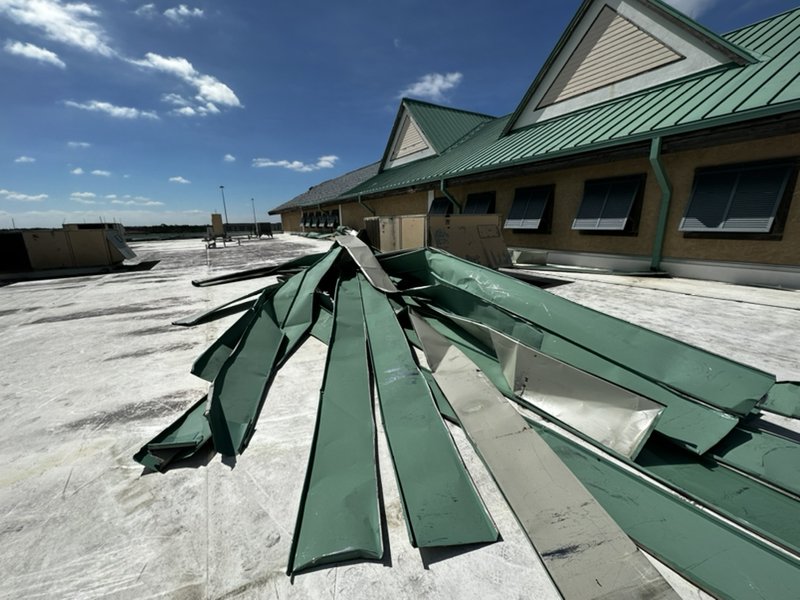
Photo courtesy of Paul Davis Restoration.
After arrival, we inspected the building and found substantial damage to its roofing system. Bass Pro Shop had already dispatched the roofing company that installed the roof to repair the roof damage, so we focused on mitigating the water on the interior. Fortunately for them, the interior damages were minimal, and we were able to mitigate quickly.
After stabilizing the Bass Pro Shop building, our Emergency Recovery Coordinator received a call from another client. A duplex community not very far from where we were had sustained storm surge flooding throughout its entire complex. Our ERC, Chris Viens, headed over to the community to inspect the damages.
Upon arrival, Chris met with their property manager and homeowner’s association president. They toured the complex and found that all 80 duplex houses had sustained approximately two feet of storm surge waters in every unit. We negotiated with the HOA an “all in” price per square foot of the units, which included flood cuts (cutting the drywall out two feet up on every wall, the removal of other affected materials (flooring, baseboards, cabinets, doors, door casings, and shower tile in some units). Also, we included the sanitation of affected areas, which involved light pressure washing of the concrete floors and interior of the wall, extraction of that water and sediment, and the placement of drying equipment to dry out the concrete and interior cavities of the walls. We had two demolition crews, each comprising of ten technicians, one on-site crew leader, and one manager supervising the job, keeping detailed measurements, moisture readings, notes, and countless progress photos. We comprised all the detailed data into digital files for our client to turn in to their flood insurance carrier.
-
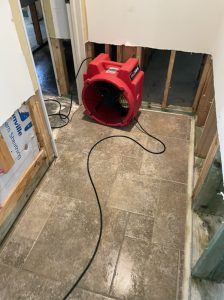
- Photo courtesy of Paul Davis Restoration.
-
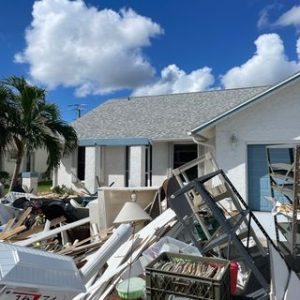
- Photo courtesy of Paul Davis Restoration.
-
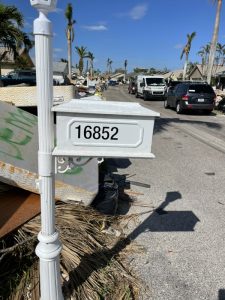
- Photo courtesy of Paul Davis Restoration.
Overall, this project took a total of four weeks to complete; we were paid in full within two weeks of completion and with a very satisfied client. The total demolition project cost was over $700,000. The HOA was able to seek reimbursement from their flood insurance carrier, and they hired a local general contractor to complete the rebuild work.
Chris Viens
Emergency Recovery Coordinator
My ERC perspective on this project by Chris Viens
What was the biggest challenge on this project?
The biggest challenge on my side was convincing the two members of the HOA board that we were the best option for this project. We won the property manager over within a few days. Once we were tested and our team did step up and delivered on the few test units, we were given the rest of the project.
What was the biggest win?
Having the right team in place allowed us to respond on demand to the needs of the customer. When they asked us to jump, we could answer how high.
What is the biggest lesson your team learned, good or bad, on this loss?
Everything we learned from this project was positive. It showed us what we are capable of and how we can improve for our next CAT loss.
Tyler Davis
Director of Mitigation
How was communication with the carrier/adjuster throughout the process?
We dealt with the HOA and the property manager rather than a carrier. In the property manager’s opinion, we were amazing. In the eyes of the HOA board, we were terrific until it was time to pay the bill. For this reason, it may have been beneficial to break up jobs into a payment schedule.
What was the biggest challenge on this project?
Getting the project was honestly the biggest challenge. This was a non-insurance project, so there was a lot of back-and-forth at the beginning of the job.
What was the biggest win?
Getting the 80 units done in one month.
What is the biggest lesson your team learned, good or bad, on this loss?
We learned how to multitask so that we could run four to five units at one time and how to communicate with the two sub crews on site.
How was communication with the carrier/adjuster throughout the process?
There was no carrier or adjuster was involved. However, we did have to keep the HOA president up to date. We had daily meetings with updates. We had walk throughs two times a week with completed units.
Related Posts