Water Restoration for Restorers In a Hurry – Part 4

Facebook
Twitter
LinkedIn
Print

Part 4 of 8

In the early stages of my career, I once held the misconception that humidity itself could transport bacteria, potentially endangering customers’ health. It was a common practice to immediately deploy air movers to ‘control humidity’ following extraction, often overlooking the potential hazards involved. However, this notion can be perilous, yet it remains prevalent in the industry. – 12.4.2 Controlling Humidity and Stabilization (Initial Humidity Control)

Stabilization 

During the stabilization phase (humidity control), the focus is not on drying but rather on mitigating risks and preparing the environment for subsequent restoration steps. Air movers should not be used unless necessary for venting outside the structure, as they can aerosolize particles into the air, potentially causing further contamination. –12.3.2 Engineering Controls: Containment and Managed Air Flow

Cleaning must be completed before the drying phase commences to prevent the spread of contaminants. –12.3.5 Humidity Control in Contaminated Structures

Safety is paramount in our industry, as it lays the foundation for successful restoration. The initial steps, such as assessing hazards and determining the restoration approach, are crucial in determining the project’s outcome. In situations where time, resources, or management support may be limited, prioritizing safety ensures that restoration efforts remain effective.
A dehumidifier is a key tool in stabilizing the environment, maintaining temperature between 70-85°F (for comfort of occupant or teams) and relative humidity between 35-55% to prevent excess water vapor from migrating to unaffected areas. It’s important to note that the goal is not to achieve the “initial recommended PPD” but rather to maintain stability within the specified range.

Air movers play a crucial role in enhancing evaporation rates but must be used judiciously to avoid causing secondary damages or spreading contaminants. Depending on the region, placing an air filtration device under negative pressure can help prevent risks, like the HVAC system from drawing in loose particles. However, this approach may increase the risk of drawing in excess water vapor in some environments which could be counter productive.

Containment measures are essential for separating affected and unaffected areas, maintaining the integrity of the restoration process. Utilizing a particle counter will provide valuable data to support decision-making and mitigate disputes.- The Opinion War

By adhering to industry standards and prioritizing safety at every step, restoration professionals can ensure effective outcomes while minimizing risks to both property, occupants and your team.

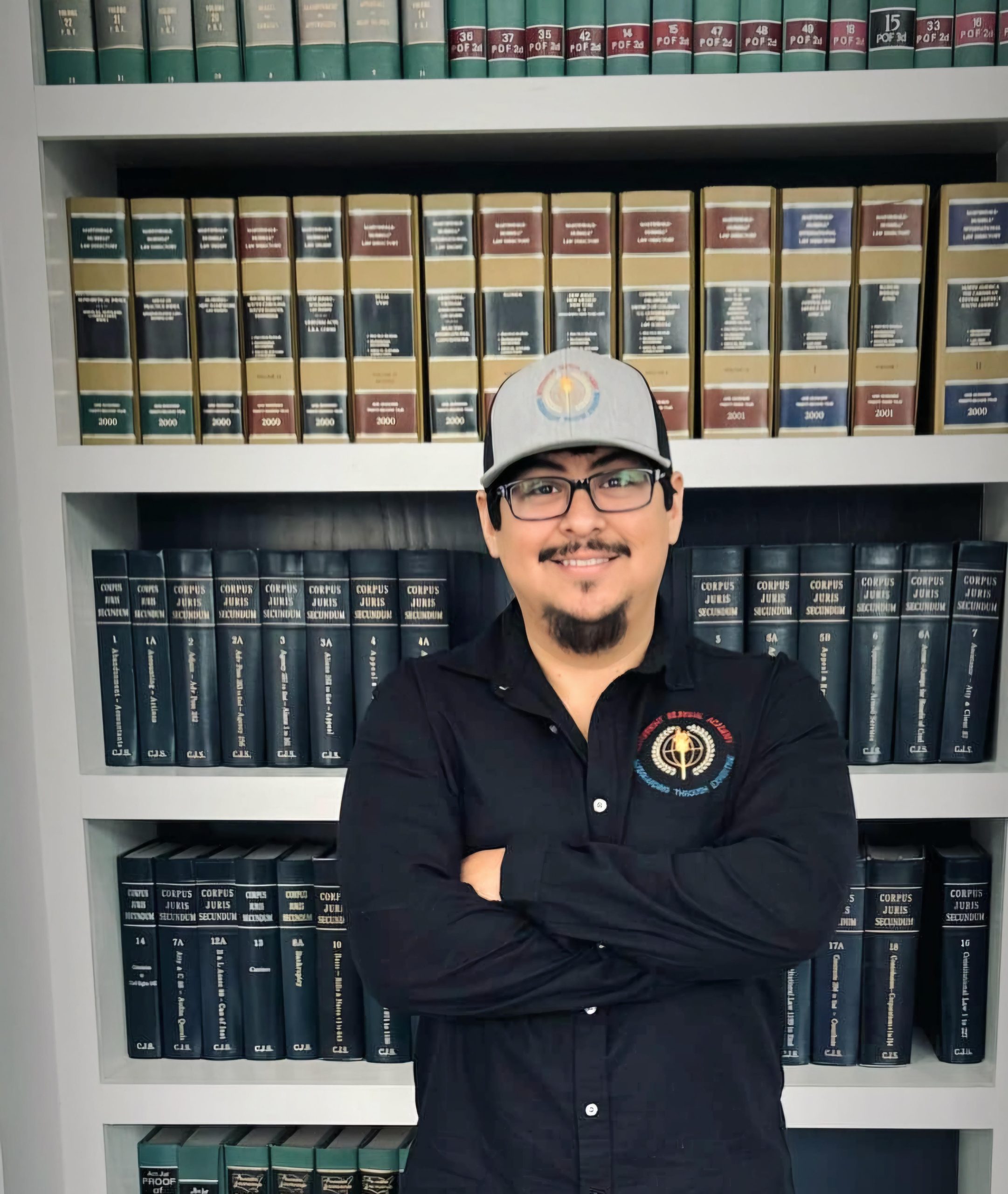
Luis Suarez

Luis Suarez is a seasoned technical educator and consultant with over a decade of experience in the Restoration industry. His journey in this field is marked by a passion for education and a strong commitment to helping others succeed.

As the founder and leader of RestorRight Bilingual Academy, Luis has created a dynamic platform aimed at advancing knowledge and skills within the restoration community. This endeavor was inspired and supported by Recovapro LLC, a prominent water and fire restoration company whose mission aligns with Luis's dedication to education and mentorship.

Luis's primary objective is to guide and mentor aspiring professionals in the restoration industry, helping them navigate the challenges that come their way. His immediate goal is to become an approved IICRC (Institute of Inspection, Cleaning, and Restoration Certification) instructor, enabling him to provide certification courses in both English and Spanish. This reflects his commitment to making high-quality training accessible to a broader, more diverse audience.

Beyond his professional pursuits, Luis is a loving husband and the father of two energetic youngsters who keep him on his toes whenever he's not furthering his own education.

Luis is eagerly anticipating the upcoming opportunity to travel across the United States, sharing his knowledge and expertise with students in both English and Spanish through IICRC certification courses. His journey in the restoration industry is marked by dedication, a passion for education, and a drive to make a positive impact.

(1 votes, average: 5.00 out of 5)
Latest Posts
Most Popular

Hey there! We're glad you're here!

This content is only available for subscribers. Please enter your email below to verify your subscription.

Don't worry! If you are not a subscriber, simply enter your email below and fill out the information on the next page to subscribe for FREE!

Back to homepage