Water Restoration for Restorers In a Hurry | Part 5

Facebook
Twitter
LinkedIn
Print

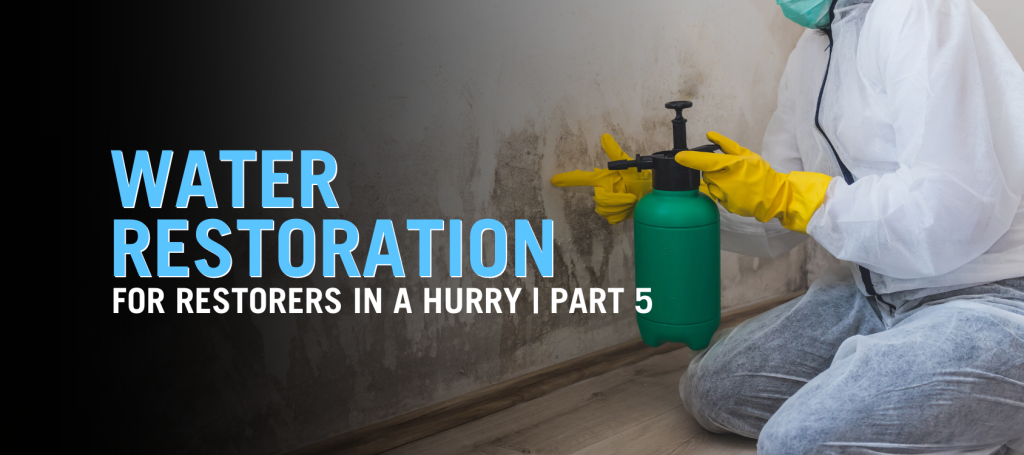
In the field of water restoration and even mold remediation, antimicrobials or biocides are commonly used in hopes of eliminating microbial growth and preventing its regrowth. However, their application requires careful consideration due to their potential health risks and legal implications.

Antimicrobials 

Before using any antimicrobial products, it is crucial to thoroughly read and understand their Safety Data Sheets (SDS). These documents provide essential information on the chemical composition, potential hazards, and safe handling instructions. Many antimicrobials are classified as pesticides (another word for poison), which underscores their potency and potential risks. All antimicrobials, disinfectants, and biocides state this: IT IS A VIOLATION OF FEDERAL LAW TO USE THIS PRODUCT IN A MANNER INCONSISTENT WITH ITS LABELING.

One common misconception is the effectiveness of simply spraying antimicrobials behind drywall or in enclosed spaces without addressing the root, which is cleaning. It’s important to note that:

  • Surface Contact: Antimicrobials only affect the surfaces they directly contact. Hidden bacteria, mold, etc., within insulation or between drywall thickness may remain unaffected.
  • Dwell Time: Adequate dwell time is necessary for the antimicrobial to work effectively. This often involves allowing the product to sit on the surface for a specified period before drying or wiping it off.

Improper use of antimicrobials can have serious health and legal consequences:

  • Aerosolization: If antimicrobials are not rinsed or allowed to dry properly before introducing air movers, they can become aerosolized, leading to inhalation by occupants and pets.
  • Health Hazards: There have been cases where families and pets experienced severe allergic reactions and illnesses due to improper antimicrobial application. Young children and pets are particularly vulnerable as they might ingest chemicals through contact with contaminated surfaces.
  • Legal Repercussions: Restoration companies can face significant legal liabilities, including covering medical and veterinary expenses if their negligence leads to health issues for occupants and pets.

Consider a real-world scenario where a restoration company chose to spray disinfectant extensively and immediately used air movers. The family experienced allergic reactions, and their pet required veterinary care due to chemical ingestion. This incident underscores the importance of evaluating whether to use antimicrobials in your specific scenario, ensuring their proper application, and employing containment procedures to avoid health risks and potential legal actions.

Some states require contractors to hold specific licenses just to apply antimicrobials, so check your state requirements. The indiscriminate use of antimicrobials, especially through methods like ULV (ultra-low volume) foggers, can lead to serious health issues and substantial legal consequences that can come from a property owner and even your own team. It is imperative for restoration professionals to follow the guidelines that prioritize safety, proper application techniques, and thorough documentation to protect both themselves and their clients.

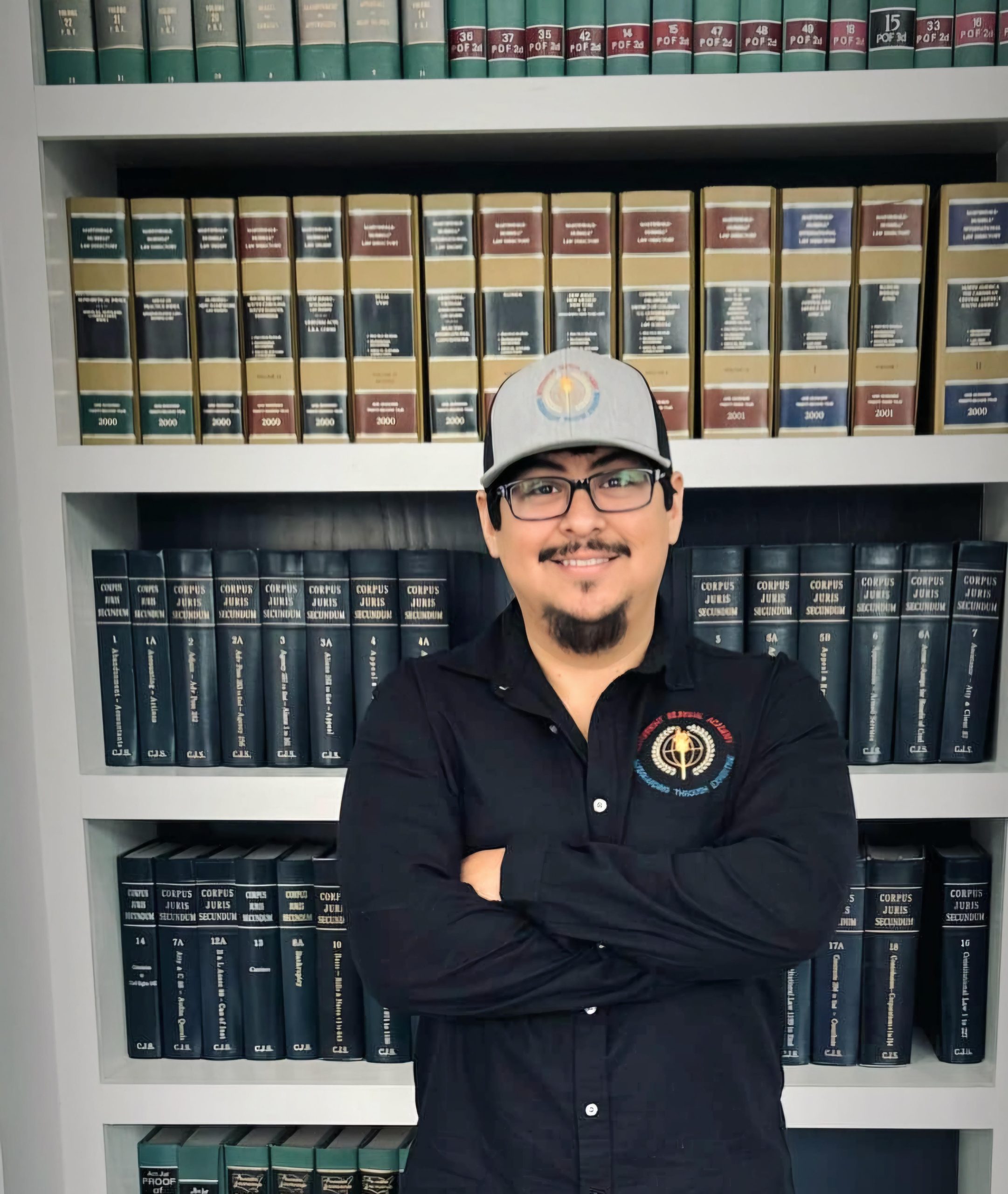
Luis Suarez

Luis Suarez is a seasoned technical educator and consultant with over a decade of experience in the Restoration industry. His journey in this field is marked by a passion for education and a strong commitment to helping others succeed.

As the founder and leader of RestorRight Bilingual Academy, Luis has created a dynamic platform aimed at advancing knowledge and skills within the restoration community. This endeavor was inspired and supported by Recovapro LLC, a prominent water and fire restoration company whose mission aligns with Luis's dedication to education and mentorship.

Luis's primary objective is to guide and mentor aspiring professionals in the restoration industry, helping them navigate the challenges that come their way. His immediate goal is to become an approved IICRC (Institute of Inspection, Cleaning, and Restoration Certification) instructor, enabling him to provide certification courses in both English and Spanish. This reflects his commitment to making high-quality training accessible to a broader, more diverse audience.

Beyond his professional pursuits, Luis is a loving husband and the father of two energetic youngsters who keep him on his toes whenever he's not furthering his own education.

Luis is eagerly anticipating the upcoming opportunity to travel across the United States, sharing his knowledge and expertise with students in both English and Spanish through IICRC certification courses. His journey in the restoration industry is marked by dedication, a passion for education, and a drive to make a positive impact.

(2 votes, average: 5.00 out of 5)
Latest Posts
Most Popular

Hey there! We're glad you're here!

This content is only available for subscribers. Please enter your email below to verify your subscription.

Don't worry! If you are not a subscriber, simply enter your email below and fill out the information on the next page to subscribe for FREE!

Back to homepage