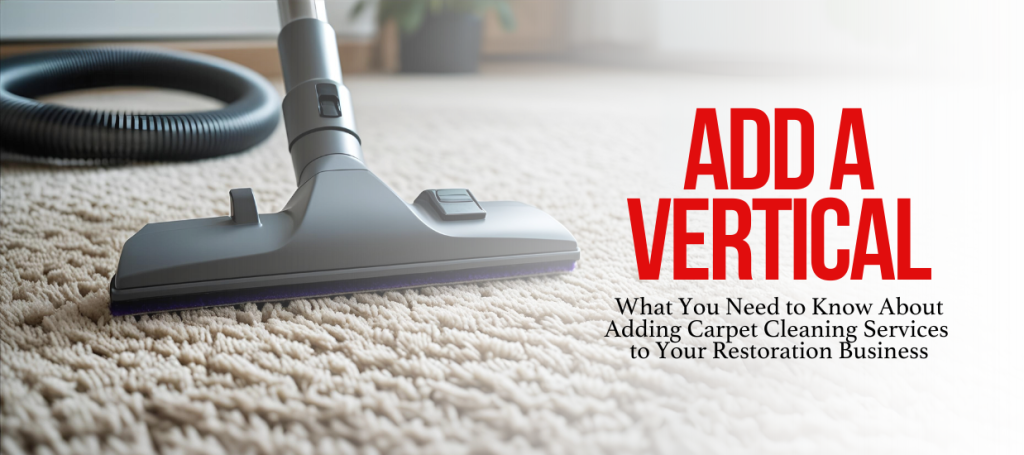
In parts one and two of our “Add a Vertical” Series, we explored what it takes to successfully expand into environmental and roofing services. Now, in the final installment, we turn our focus to carpet cleaning, a vertical that’s often overlooked but may be one of the most strategic additions you can make.
Despite the demand, most restoration contractors still don’t offer carpet cleaning in-house. It’s not always the right fit, particularly for companies focused exclusively on TPA work, but for those already marketing directly to consumers or working heavily in commercial and multifamily buildings, carpet cleaning can be a great natural extension.
To better understand what it takes to build a successful carpet cleaning division, we spoke with two restoration professionals who have done just that.
Meet the Experts:
Justin Woodard, CEO and President of Woodard Cleaning, represents the third generation of a company that began with one of the first portable rug cleaning machines in 1946. Today, Woodard is a leading provider of rug and carpet cleaning in Missouri while also offering water mitigation, mold remediation, contents restoration, and construction services.
Robert Pendley began his career with Venturi Restoration in 1999 as a technician and advanced to Regional Manager. Today, he serves as an Assistant Regional Manager with ATI Restoration. With decades of experience in leadership, team building, and operations, Robert brings valuable insight and perspective to the restoration industry.
Why Add Carpet Cleaning?
The biggest advantages to offering carpet cleaning as a restorer are:
1. It’s a reliable entry point into commercial markets: From apartment complexes and office buildings to car dealerships and universities, virtually every commercial property has carpet, and every carpet needs maintenance. Offering carpet cleaning allows restorers to form new client relationships and generate recurring business that can lead to larger restoration opportunities down the line.
2. It’s a consistent and recurring revenue stream: By offering scheduled maintenance programs, restorers can stabilize cash flow and build trust over time with property & facility managers, along with other clients. Keep in mind when disaster strikes, they’re more likely to turn to a partner they already know and rely on.
- It opens the door for even more service offerings: “We offered several additional services on top of carpet cleaning, including carpet repairs, tile/grout cleaning, air duct and dryer vent cleaning, which made us a very valuable resource for multifamily in particular.” notes Robert. These adjacent offerings help boost revenue and effectively reorient the client’s perception so they begin to view you as their go-to vendor for their property needs.
Getting Started:
1. Define Your Market
Rather than trying to enter every market at once, focus on the segments where you already have strong relationships and proven success. “Start narrow,” advised Woodard. “Look at the verticals where you already have relationships and serve well, whether that’s senior living, multifamily or universities, and really understand their cleaning needs. Get really good in one area, then expand.”
“My biggest advice is to get involved and stay involved in whatever market you enter. If they do food drives or other community events, join in. You have to build a relationship and show them you care.” Robert adds.
2. Hire for Fit, Not Just Skill
While many restorers assume their existing technicians can handle carpet cleaning, the two roles often appeal to very different personalities. “The people who love water damage work don’t always love carpet cleaning work, and vice versa,” noted Woodard. “Water damage is very fast-paced and can give you an adrenaline rush. Carpet cleaning is more repetitive and methodical.”
To build a high-performing team, Woodard keeps its restoration and carpet cleaning crews separate but cross-train them to allow for flexibility during high-demand periods.
Lead with Sales-Minded Technicians
One key to success in this vertical is the technician-as-salesperson model. Carpet cleaning professionals need to be confident in upselling services, communicating with clients, and creating a positive, professional first impression.
“Carpet cleaning done at the highest level can have margins that are close to water damage margins,” Woodard pointed out. “But you have to be able to do add-on sales in the homes.”
That includes offering additional services like stain protection, deodorization, furniture cleaning, countertop polishing, or tile and grout cleaning. Woodard cautions to take a consultative sales approach. It’s easy to develop a poor reputation if you become known for being pushy and aren’t doing sales in a consultative way. For this reason, Woodard hires a great salesperson who is service-oriented and then trains them in carpet cleaning.
Equipment, Systems, and Scheduling
Minimal Equipment Investment
For most restorers, adding carpet cleaning doesn’t require major upfront costs. If you already own a box truck or van, a high-quality carpet cleaning machine is likely your only major purchase. Most other tools can overlap with your existing inventory, as long as they are properly cleaned and maintained.
Robert emphasizes that training is the key to success in this service. “Carpet cleaning isn’t something that people will just pick up in a day. We usually plan on a 90-day training period, which involves sending our new hires to job sites for hands-on training. This approach has proven to be more effective than just basic training in a warehouse.”
Different Scheduling Demands
Restoration work is reactive. Carpet cleaning is not. This shift requires operational changes and stronger scheduling systems. “In water damage, you make the commitment to come quickly. In carpet cleaning, you schedule it,” explained Woodard. “Many restorers don’t have a system for mid-term or maintenance scheduling built into our company.”
At Woodard, when a storm or freezing temperatures cause a water damage surge, they contact carpet cleaning clients to explain the situation and offer gift cards for rescheduling. “For the most part, people are very understanding and don’t mind rescheduling,” said Woodard. “If someone has an upcoming event that they need their carpets cleaned for, we hold one or two carpet cleaning crews so we can keep those appointments.”
Appearance Matters
Unlike restoration jobs, where a technician may show up to a sewage-filled basement, carpet cleaning requires a higher level of polish and professionalism.
“Whether we like it or not, first impressions matter,” said Woodard. “When you show up to a house to clean carpets, your first impression must show the customer that you’re detail-oriented. The best way to encourage them to invite you in so you can make their home look nice is to appear well groomed, have clean pants, and probably wear a collared shirt.”
Conclusion
Carpet cleaning may not come with the urgency of a restoration call or the high margins of a large loss, but it brings something else to the table: consistency. For restoration contractors looking to diversify their services and grow into commercial markets, this vertical offers a predictable revenue stream, lower overhead, and the opportunity to deepen client relationships over time.
With the right systems, team structure, and customer-focused approach, carpet cleaning can be a powerful complement to your restoration business and a smart investment in long-term stability.
ATI in collaboration with Justin Woodard and Robert Pendley
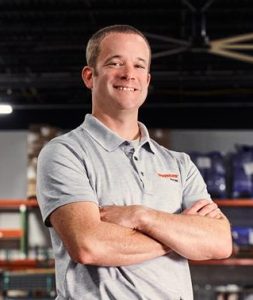 Justin Woodard: Justin Woodard is the 3rd generation owner of Woodard Cleaning & Restoration, currently serving as President & CEO. Eight years ago, Justin articulated The Woodard Way, merging the values his grandparents founded the company on, his dad’s focus on Legendary Service, and his vision of a future where the people of Woodard help one million people get back to their lives. Justin believes the culture and relationships that exist inside a company are the most reliable predictors of success. The culture he aspires to build is an environment where folks are encouraged to overcome their self-imposed limits to do harder, better, and more important things than they would on their own.
Passionate about helping others, Justin does all he can to give back to the community by supporting the St. Patrick’s Center, BackStoppers, the STL Food Bank, New City School, and Crossroads College Prep.
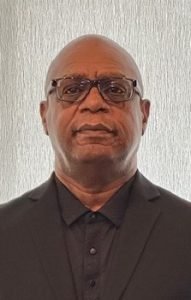 Robert Pendley is the Assistant Regional Manager at ATI Restoration, supporting teams across Florida, Washington D.C./Maryland, and the Philadelphia area. With 26 years of industry experience and a background in the U.S. Marine Corps, Robert is a trade-certified expert in carpet cleaning, water damage restoration, mold remediation, and asbestos abatement. He plays a key role in training new Regional Managers and has overseen multi-million dollar restoration and reconstruction projects nationwide. Known for his integrity, work ethic, and commitment to excellence, Robert brings deep expertise and a hands-on leadership style to every job.
Related Posts