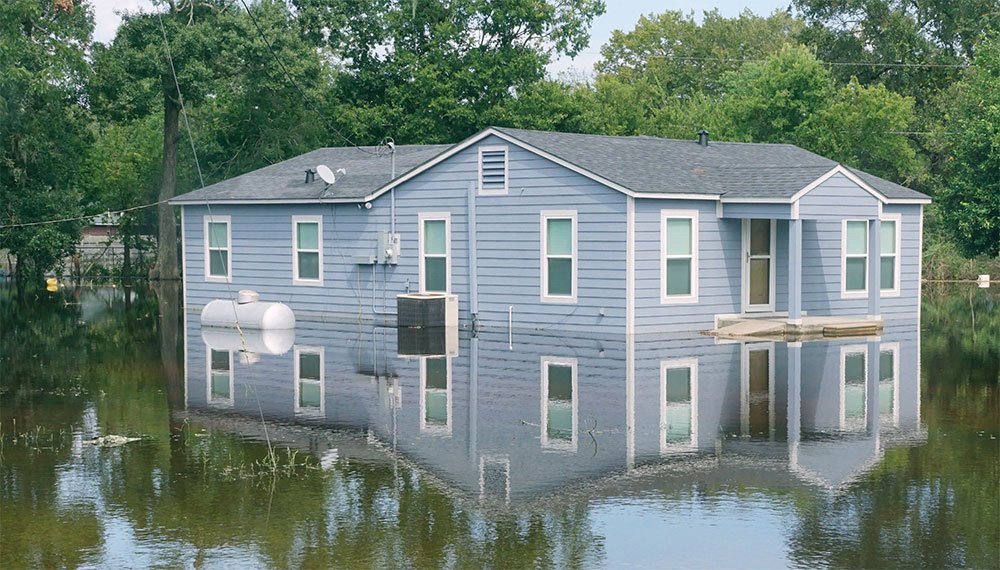
Changing the Landscape
Nothing impacts a landscape like a hurricane, a tsunami, or a landmark lawsuit. This is particularly true if the lawsuit results are published throughout the land. No one benefits from a potentially precedent-setting case where all parties agree to a non-disclosure of the results.
One of the most controversial issues in property claims today in resolving the question: Is it dry or not?
There are other higher-dollar controversies in property claims, but none as numerous as the basic question of moisture penetration with all its ramifications, such as harmful bacterial contamination and rot.
The complaints from the restoration industry are not being addressed by some insurers who believe it’s ‘more pablum from unscrupulous contractors trying to get rich off the travails of policyholders.’
Resolution of moisture penetration is an area that insurance companies have recognized as being a huge leakage point in claims dollars. Many have instituted managed repair programs to triage this bleeding. They have taken great measures to gear these managed repair programs to reduce the exposure by insisting on restrictive drying methodologies that many mitigation contractors say are inadequate. Finally, they have tried to modify policy language to further reduce their exposure.
So, for example, a contractor who believes he cannot eliminate moisture in a flooded dwelling within the restrictive time period prescribed by the insurance company may extend the drying period (at his own expense) merely to make sure the consumer/property owner is not left with faulty remediation. Typically, the consumer/property owner is a person of modest means who is incapable of bearing the burden of these additional costs.
MEET ‘WIDOW BROWN’
A “persona” has been created to identify this property owner of meager means, “the Widow Brown.” Of course, the Widow Brown may be a family of five living on an annual income of $30,000.00 — just above Federal Poverty Guidelines. The point is, the Widow Brown represents the consumer that cannot afford the fallout from the way some insurance companies restrict and control the remediation process.
The key will be whether this RTPE expert is recognized as unbiased by the insurance industry and, more importantly, by a jury.
If you ask a room full of mitigation contractors whether they have ever taken on the cost burdens of a “Widow Brown” in this situation, it wouldn’t surprise me that 80 percent or more would raise their hands. This is a very common topic among restoration/ mitigation contractors who have been bitten financially by this process adopted by some (not all) insurance companies.
The complaints from the restoration industry are not being addressed by some insurers who believe it’s “more pablum from unscrupulous contractors trying to get rich off the travails of policyholders.”
WHAT WILL IT TAKE TO CHANGE THIS LANDSCAPE? REFER TO SENTENCE ONE.
I can’t think of a better expert in court than someone who is a highly experienced practitioner of the mitigation process. Thus, the establishment of the RTPE could have a major impact on such litigation. The key will be whether this RTPE expert is recognized as unbiased by the insurance industry and, more importantly, by a jury.
 Peter J. Crosa, AIC, RPA, is an independent adjuster who speaks to restoration groups and writes on establishing and improving relationships between restoration contractors and insurance claims adjusters. You can connect with him at [email protected].
Related Posts